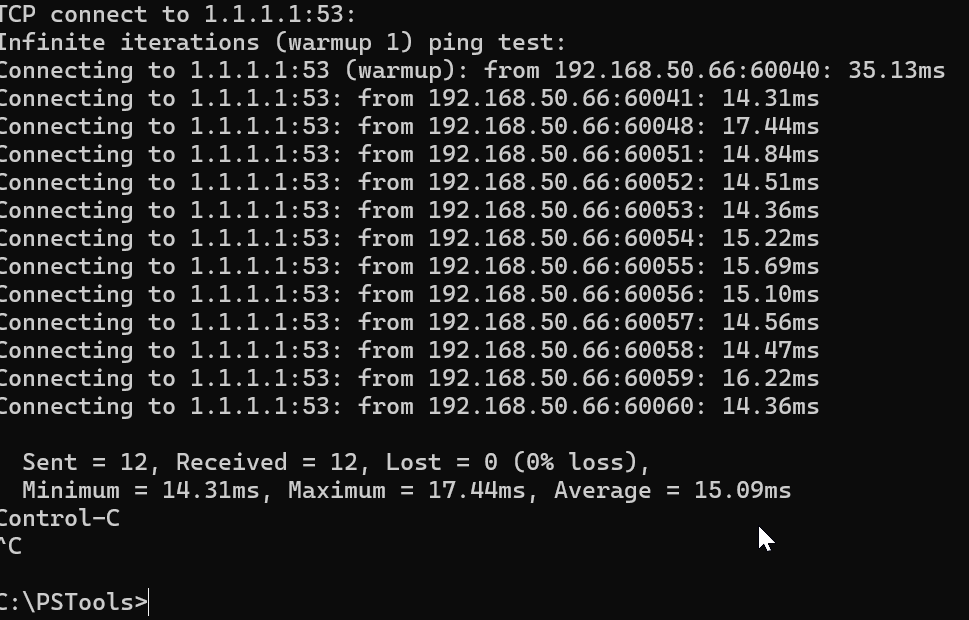
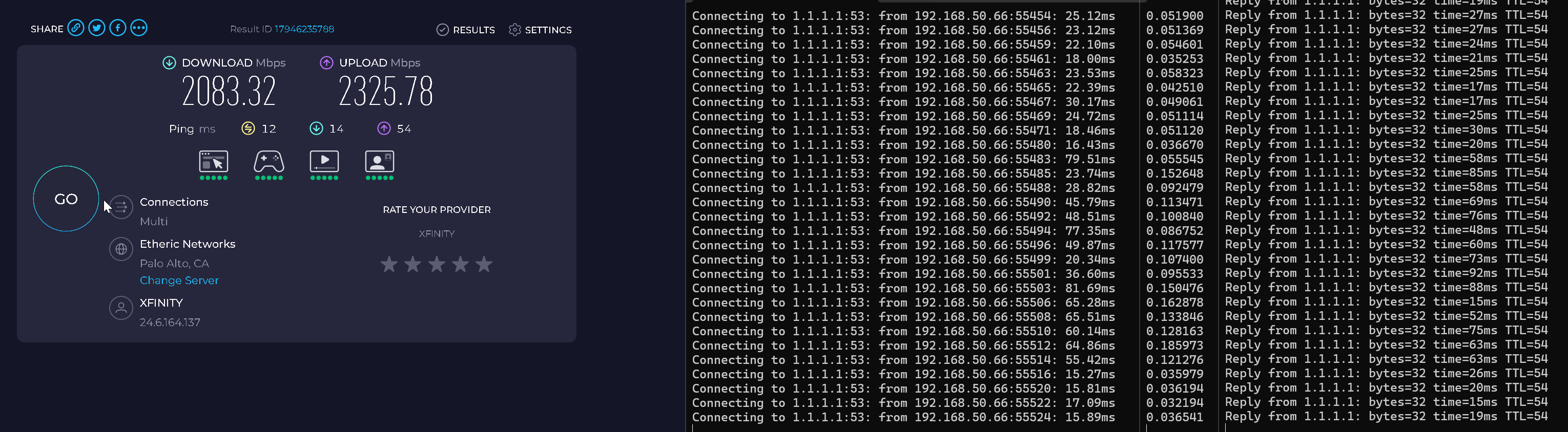
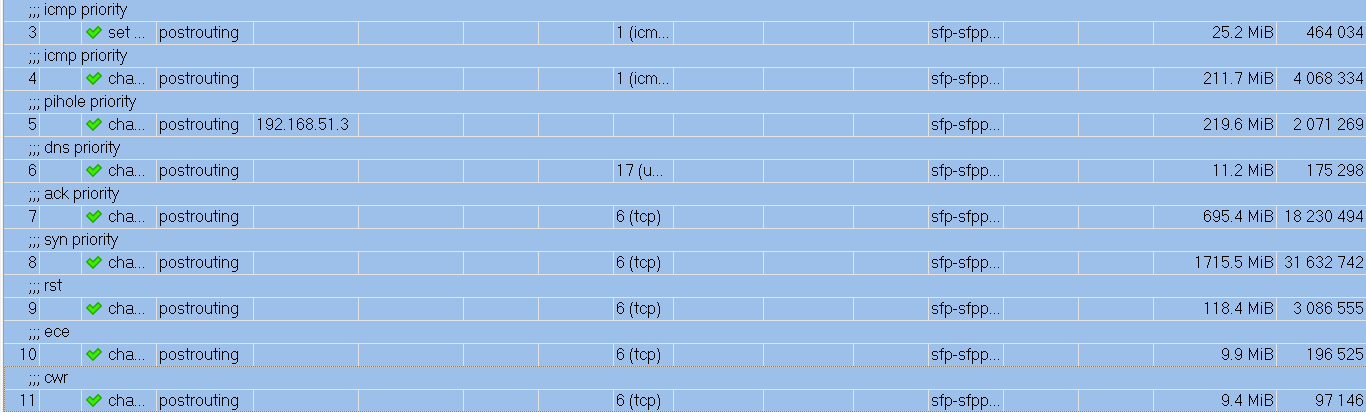
If your ping is normal when the connection is idle, you are good to test. When you have that extra queue, your marked packets are being sent out in parallel to the unmarked packets (both queues are drained in such a way that they don’t starve each other). I.e. even if you hammer the classic queue, your marked packets shouldn’t see that much of an increase (close to your idle latency).
Whether or not LLD is enabled… Jason would be able to confirm that. 🙂
Edit: Adding…
What happens, if you keep increasing the rate of the marked packets?
1) At some point, you will hit the roof of your speed tier/congestion. Your marked packets will now start to pile up in the LL queue.
2) The two queues get equal access to the wire. If you are stressing both queues, and the LL queue cannot be drained fast enough, your marked packets will start to pile up.
You want to avoid both. If the marked packets start to pile up (beyond a certain point), the queue protection will kick in and redirect them to the classic queue.
This is where L4S comes in, to avoid these two situations. If the endpoints support L4S, it will help the sender to slow down in time to not make a big pile (it will be reduced to a tiny pile).