Dks01 Why worry? People wait longer to charge an EV. Your bias is showing, BTW.
No bias just looking at things in a practical manner, plus with super chargers the wait is considerably less than a half hour.
I have been following alternative fuels for over three decades now and the only practical one is LPG, it is clean burning and is a liquid greatly reducing the size if a vehicle storage tank, which in single fuel vehicles can be placed where the gas tank was removed from.
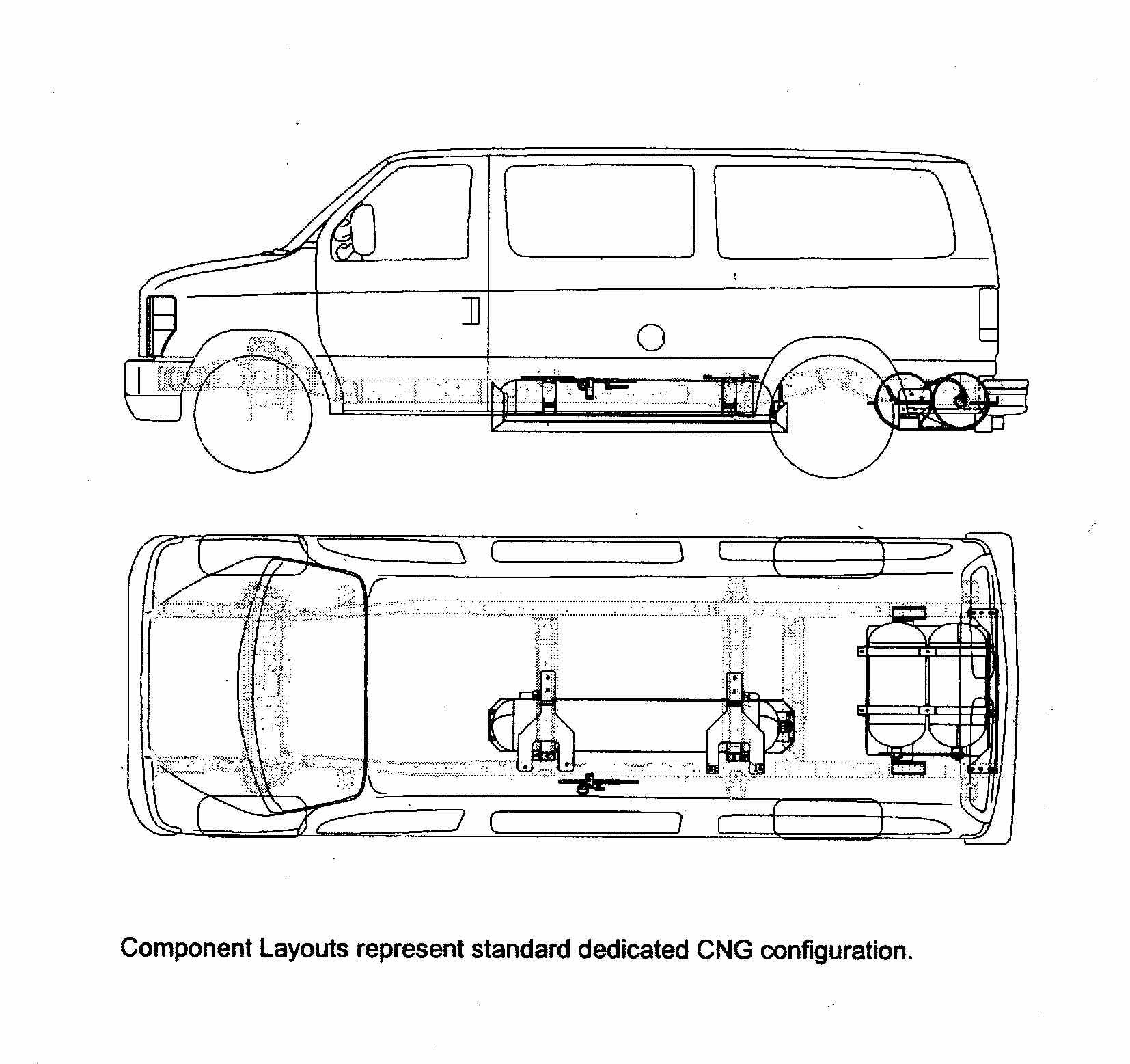
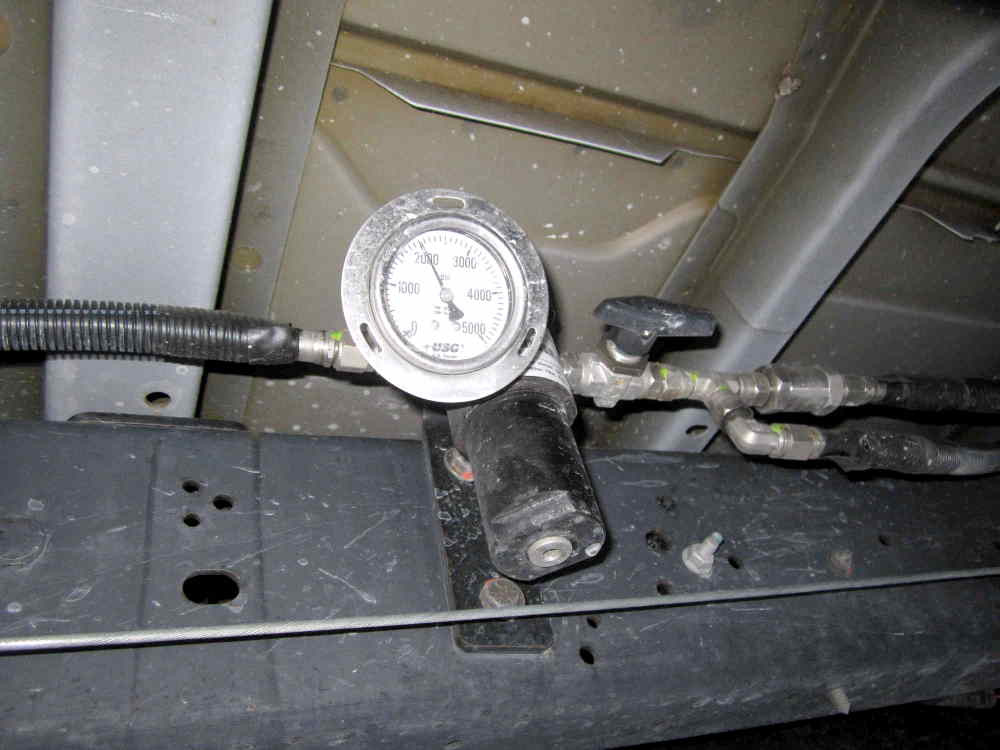
As for CNG yes it is cleaner burning than LPG but no one has figured out how to use it practically in a non-stationary application, the closest anyone has come are a few non-over the road trucking companies, where their is enough room behind the cab for the storage tanks which can be filled with enough CNG for a little over a day of operation, then is back to the yard for an overnight fill up, which by the way commonly takes 6 hours or more.
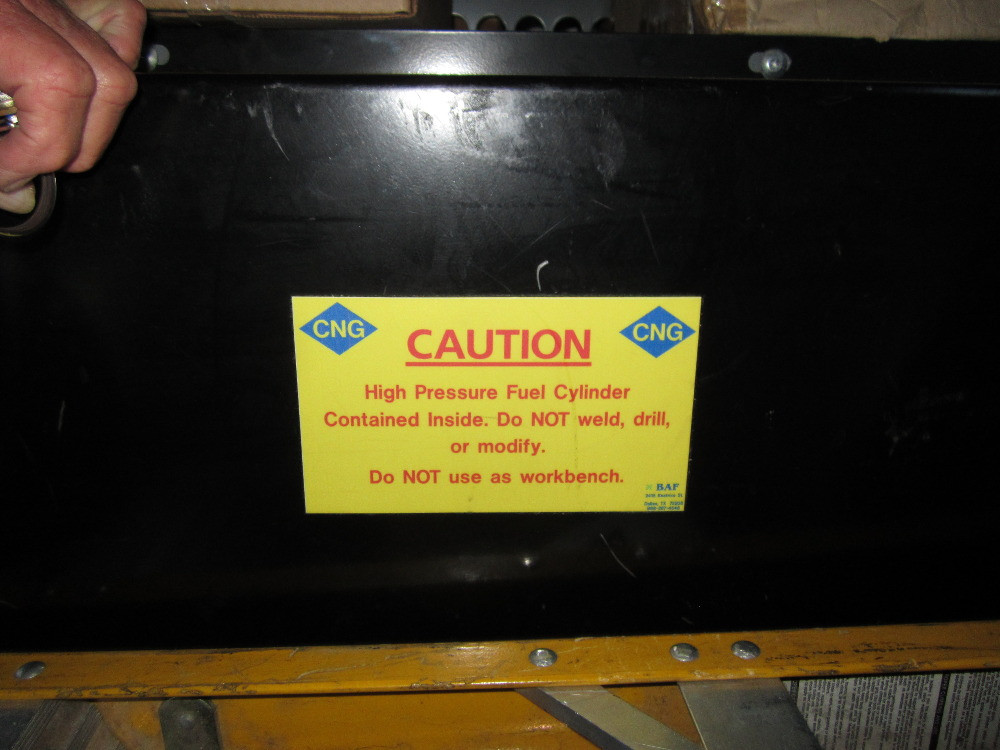
Waste Management was one of them, they had a fleet of 20 or so extended frame trucks built which allowed the installation behind the cab of 5 very large high pressure CNG tanks with the compactor mounted behind that.
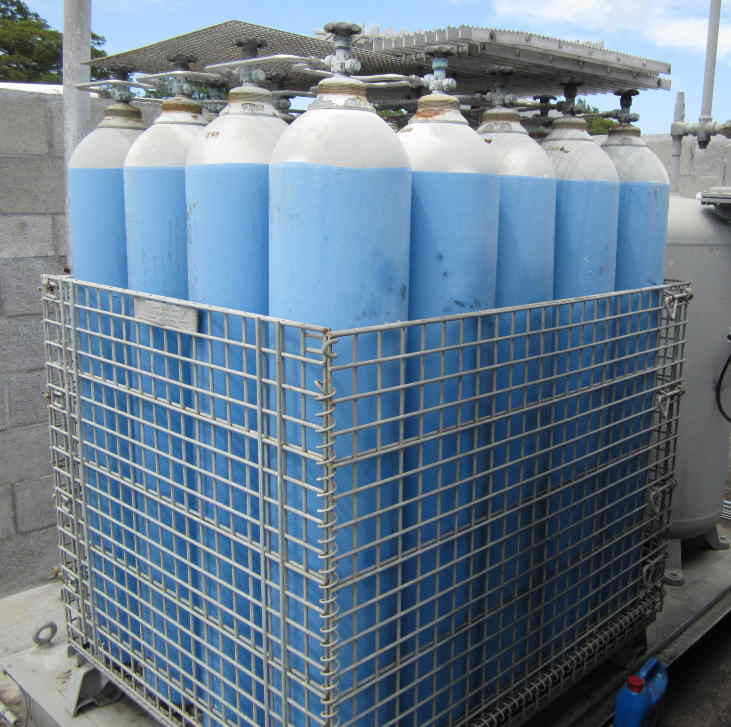
They also having excellent fleet managers who built a very large CNG compressor station on the west side of Power Line Road just north of Sample, it was connected to a 6″ Florida Gas Transmission (FGT) NG pipeline running at 900 PSI, the compressor station raised that pressure to 4200 PSI for storage, it was installed in the SSW corner of the attached photo.
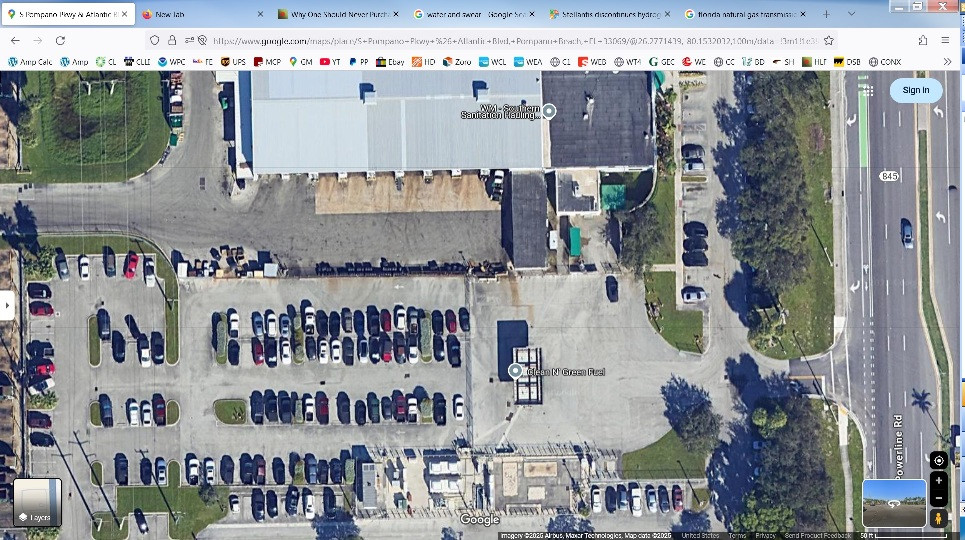
The trucks would be parked in the yard at the end of their day and connected to a auto-filling CNG nozzles, they would cut off flow at 3800 PSI and took about as I stated 6 hours per truck to totally fill the truck mounted storage tanks.
They also had 4 CNG pumps connected to a credit card reader for public use, it was the primary station we filled our trucks at as a full tank only took about 10 minutes, where as the other two CNG stations could take up to forever, if they ran out of compressed CNG which they more often than not did.
WM fleet managers liked the CNG concept as it lowered vehicle O&M for both diesel of mid sized gasoline based pickup trucks, but after 2 years, because of the overall O&M costs the project was abandoned, the costs of powering and maintaining the compressor station was way higher then any savings on the vehicle maintenance side, on top of that keep in mind WM generated their own power to operate that compressor station running a power plant that burned scrubbed methane, which they where required to collect from their landfill so their electricity was almost free all they had to pay FP&L for was transport from the north side of the landfill down to the south side of the landfill where the fleet parking lot was located.
Now even thought he WM system was well designed it wasn’t the first green fuel program to fail.
Sunrise Florida was the first, they had their own NG distribution network, it was fed from a high pressure (250 PSI) connection to TECO, they sited their CNG station at the Public Works center in West Sunrise, it consisted of a three stage compressor from the high pressure TECO, the compressor fed both into a second stage storage tank then back to it’s third stage, the second stage storage was required to allow the CNG to cool off enough to prevent damage to the third stage of the compressor.
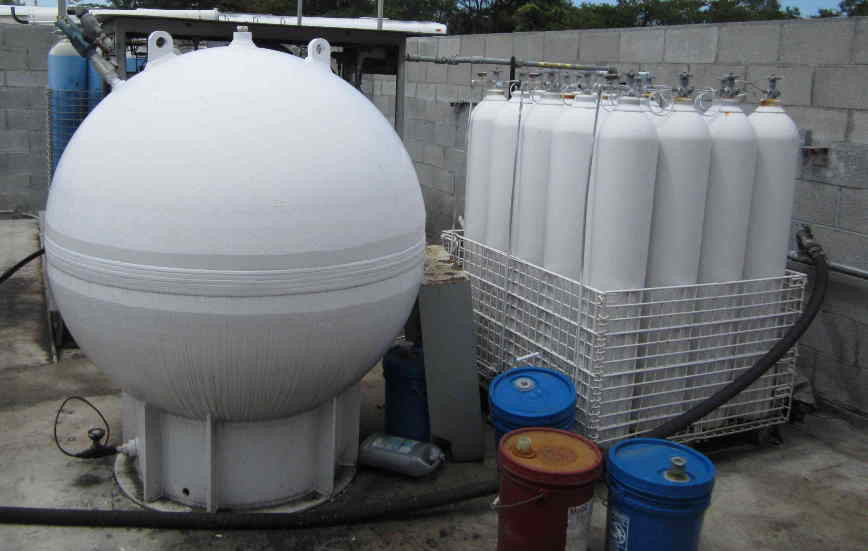
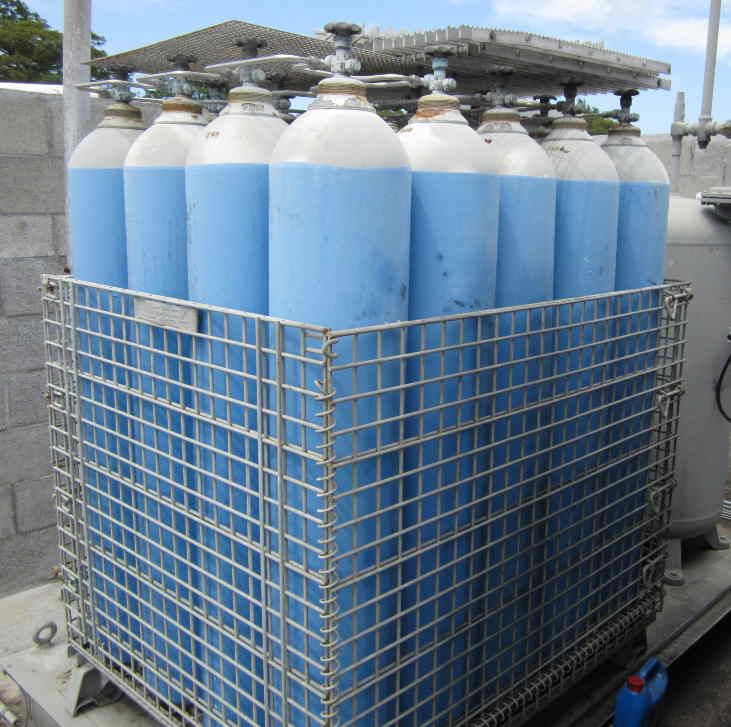
The photo shows the second stage cool down tank and the second stage feed tanks back to the third stage.
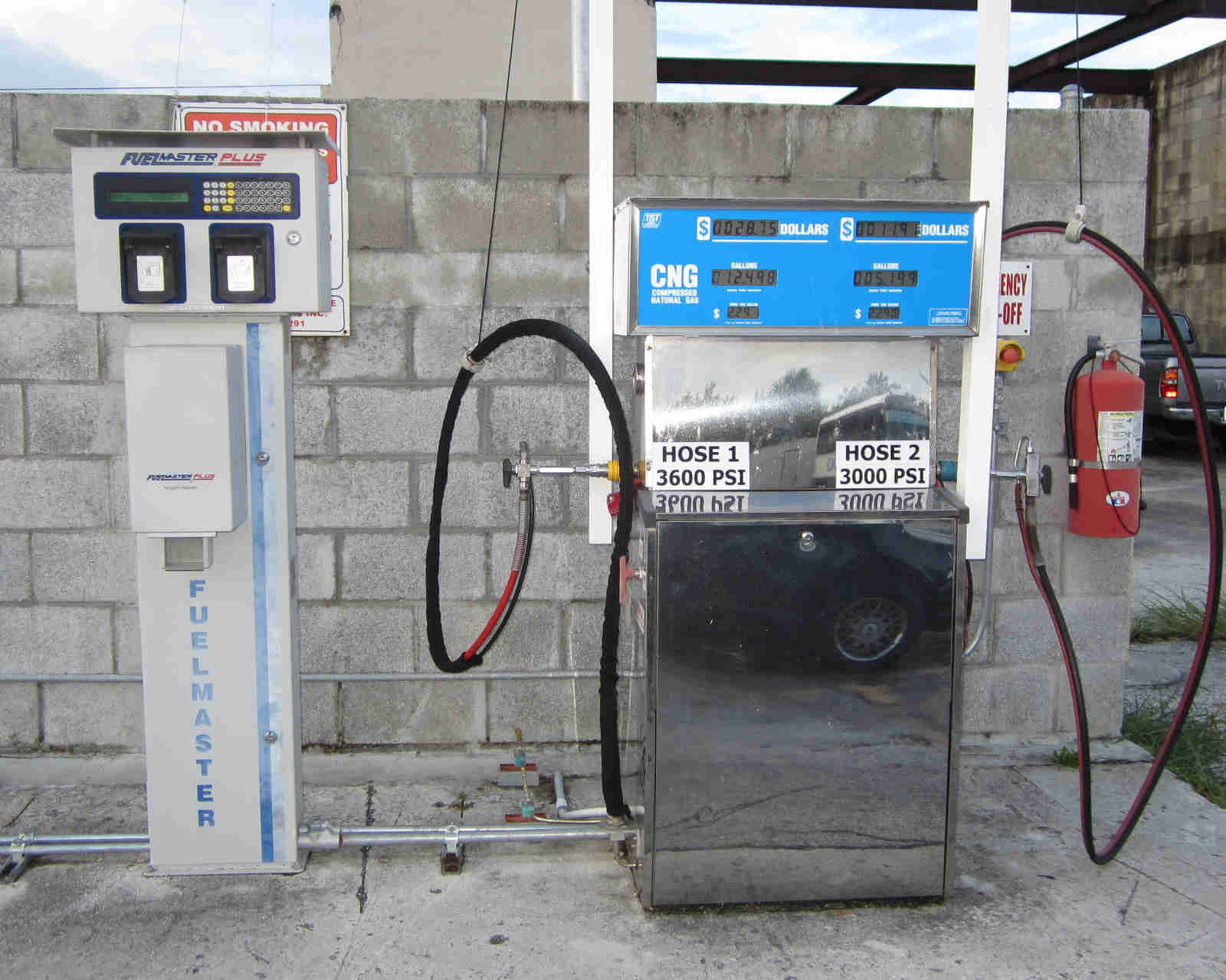
Finally from there the CNG from the third stage was pumped into a bank of cylinders that fed the gas pump.
The next failure was Broward County which had a similar system which they would not let me photograph.
Each of them lasted around 2 to 3 years and where abandoned because of cost and the inability to store enough fuel on any vehicle to run more than 100 to 150 miles between re-fuels.