Heat84 Put a camera at all railroad crossings and put a monitor in all train engine cockpits(Or whatever they’re called) that shows the feed for the next 3 or 4 crossings that the train is coming to(The next 1 or 2 crossings would actually be plenty, and maybe the 3rd and 4th crossings would be out of transmitter range anyway). That way, if the engineer sees something happening at one of the crossings on the monitor, they’ll have plenty of time to stop. Or at least more time to stop. Surely other people have thought of this.
Florida DOT has done that at high profile (frequent crossing accidents) CSX roadway rail grade crossings and they have been able to somewhat reduce collisions between Tri-Rail and vehicles operated by stupid drivers who are sitting on the tracks.
However the system is expensive requiring a railway system that locomotives equipped with precision (Trimble) dual GPS systems allowing FDOT to track railway movements, direction, speed, time to arrival, etc.
If it appears there will be a pending crash the system will notify the train crew to lower their speed so if required they can come to a full stop before reaching the crossing.
However it is exclusive to Tri-Rail as those trains can slow/stop very quickly.
BTW the FDOT owns the CSX rails from I think WPB south, CSX got one heck of a sweet deal on that one, FDOT owns and maintains the rails, CSX manages the dispatching and their freight trains have priority over Tri-Rail.
And for what it is worth Tr-Rail has also had it’s share of crossing/rail deaths. oddly it is unknown haw many there have been as FDOT claims they do not keep records of those incidents and Tri-Rail refers anyone seeking such information to FDOT.
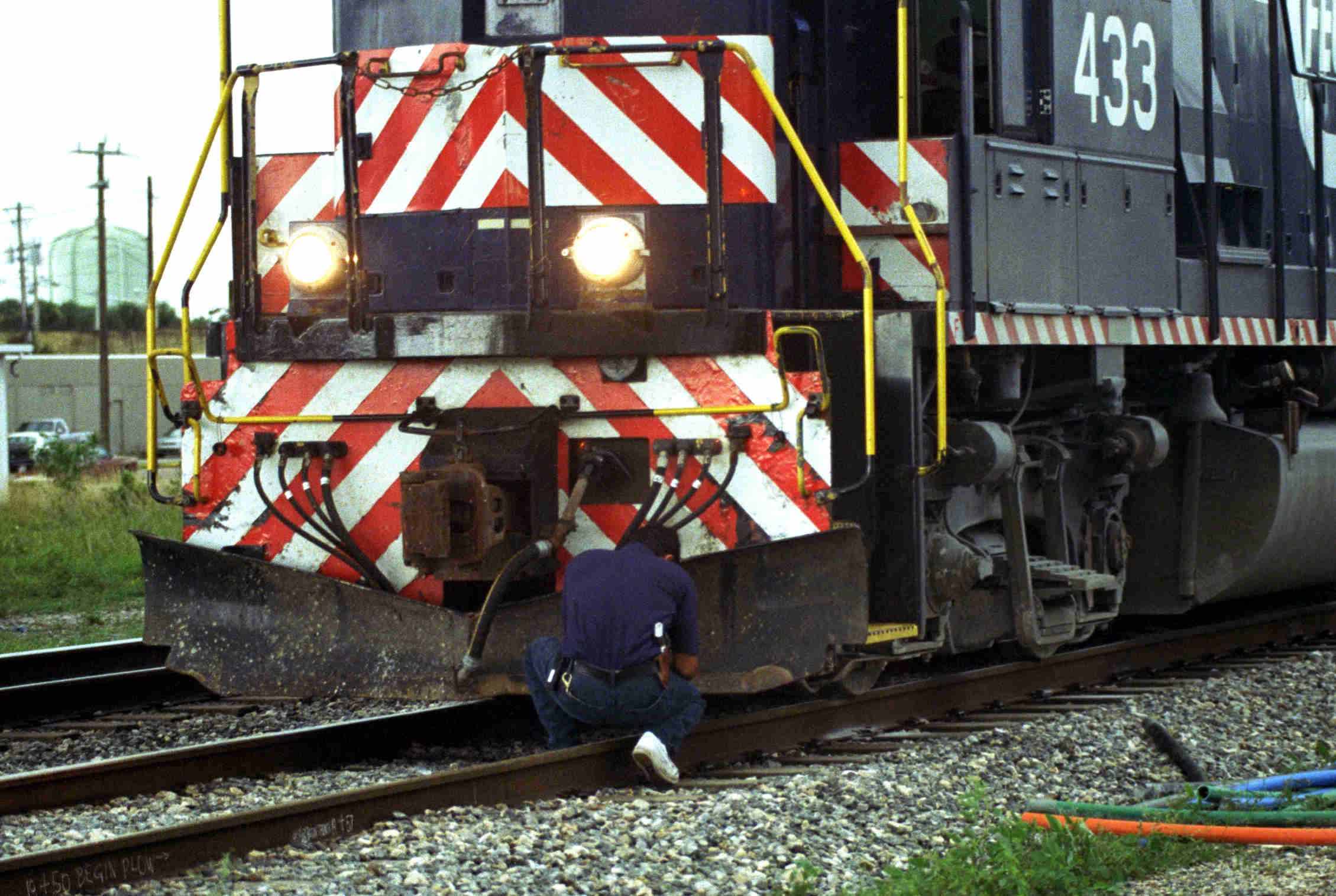
A similar system was proposed for the FEC line which Brightline utilizes however neither the State nor Brightline didn’t want to fund the entire project and it would be useless for the FEC as their freight trains cannot stop quickly at all, as such even if warned by the time a freight train stopped it would have already hit the vehicle regardless, they might be able to slow down, but that means nothing as a collision at 20 mph or more can still be deadly for the vehicles occupants.
The only real solutions would be to build overpass’s for the roadways over the tracks and the cost of that would be astronomical between buying the land required and building dozens of overpass’s.
A major part of the problem with the FEC is way back when stems from towns and cities giving Henry Flagler land to entice him to run his FEC rails through their towns as that brought a inexpensive method of shipping to the town or city, local goods mostly citrus and lumber (Dade County Pine) was shipped up north and goods needed by the towns and cities where brought south, that combination is what put cities like WPB, Lauderdale and Miami on the map bringing prosperity with it.
The RR also brought another cash crop south in the winter, tourists who brought money with them to spend locally.
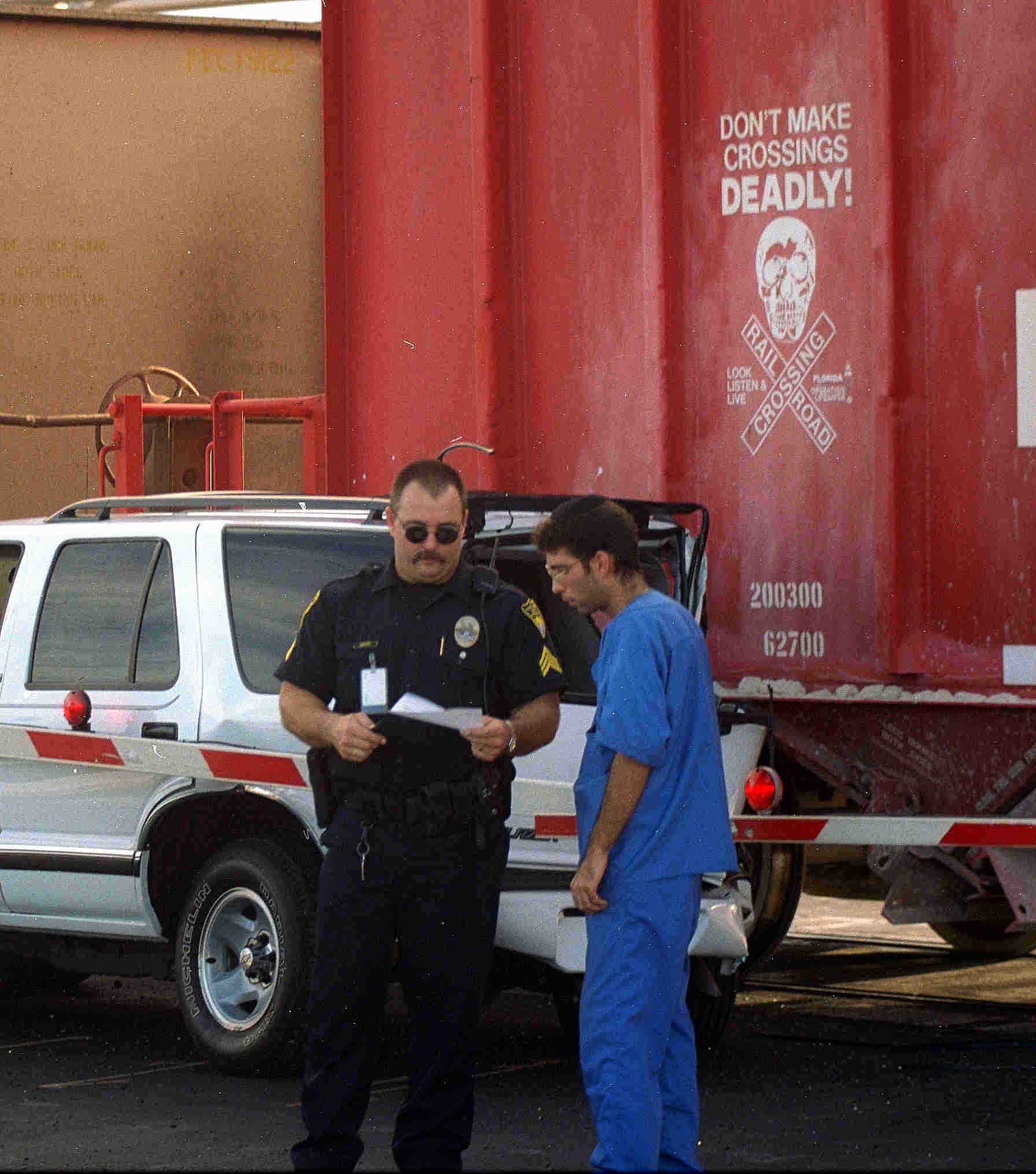
Fast forward to today and all you need to do is stand by the rails during rush hour with some friends and make bets on which dumb driver is going to get nailed by a train next, stopping on the tracks is a constant, law enforcement writes thousands of tickets annually for that just in Broward alone.
But dummies will be dummies and I don’t think anything can be done about it other than let Darwin thin them out one train at a time.
By the way how about a little Ft Lauderdale trivia, where the Brightline Lauderdale station is located is where Flagler built the FEC Lauderdale’s first passenger station and across the rails he built Lauderdale’s first freight station, the original trains that used those rails where mixed units, a engine pulling passenger cars near the front and freight behind those cars.
And if you lived here way back then just to the west of the freight station where the State of Florida offices are now, that was a huge 4 or 5 block wide and deep lumber yard.
It was out of that lumber yard most of the early housing in Lauderdale received the Southern Pine wood used to build all of those homes.
While Dade County pine was readily available and termite resistant it was so sap filled it was almost impossible to saw into boards without power tools, which where not readily available at the time, nor was there any electricity in the undeveloped areas to plug them into.