On our local community social media page and neighboring community page there are tons of complaints about Xfinity services having a complete outage all night with an ETA that keeps changing until sometime on 2/4 by the afternoon.
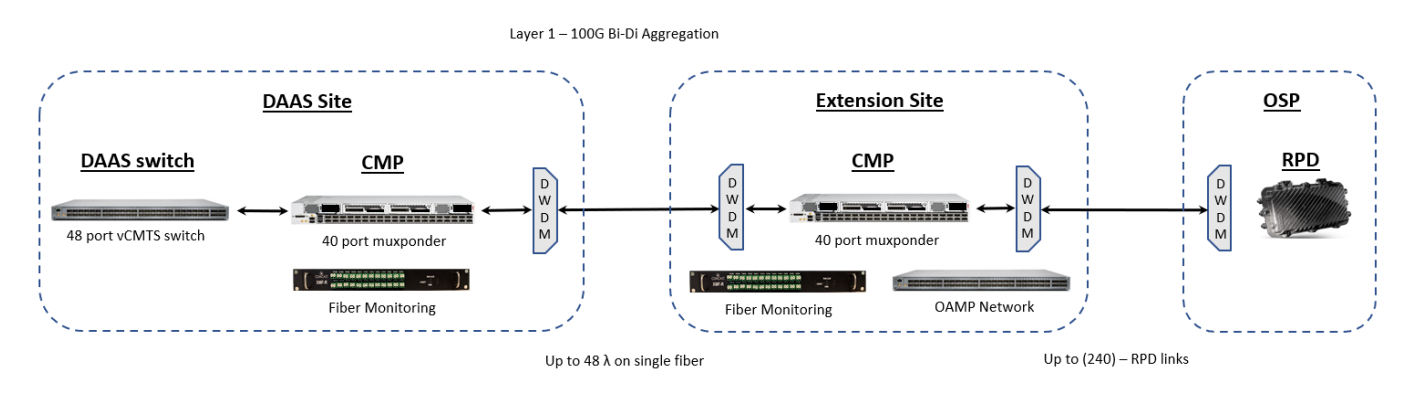
All of these neighborhoods are new DAA RPHY networks. First my neighborhood which had Comcast come in and build a new system in 2022 to now - all down. All 2000+ homes passed. The neighboring area was originally the 750 MHz SA / Aurora nodes but they received the Genesis upgrade and all Harmonic RPHY nodes around the time (and slightly after) my area was newly built. This whole area is out too, as well as the mountain all the way to Albright college. The only other news is in the City of Reading on the Fire alerts page, a fire that took out wires in the city, but I guess that could be the issue if its a major fiber trunk line. But only one path?
I manage quite a few Comcast business accounts and all accounts west of the city of Reading are operating normally. Its basically a large outage east of the city. This leads me to question how do you build resilience and redundancy in DAA networks?
If its indeed one path, why not an alternate to strategic neighborhood / township pockets?
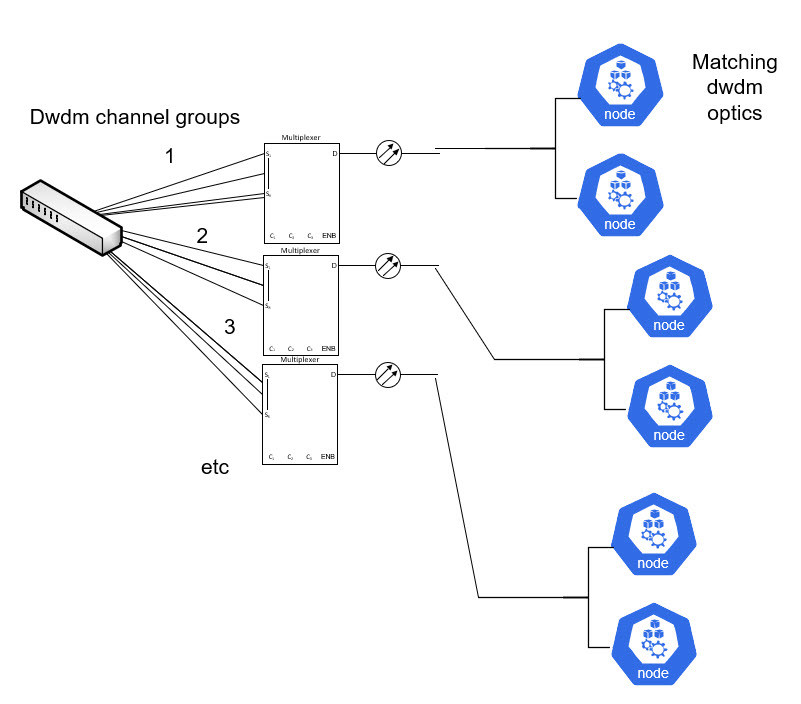
In a DAA node, can you leverage two SFP+ modules and do an MLAG back to TWO 10G switches in the hub? I ran Arista switches for years (still have them at a datacenter). Everything we did to them were MLAG, so if one switch went down, the other leg to the servers and storage were still up. Could 48 nodes be tied back two two 48 port Arista switches, last mile in an MLAG configuration to each node, then the 100G uplinks tied to an upstream fabric? This would all but eliminate switch failure, or switch maintenance. Not that Arista switches go down (ours were up for 5+ years and only rebooted to be relocated to another datacenter).
But here you could have pockets of East / West trunks into lets say a township. Then along that route you could backfill and mlag into nodes. Worth the effort or no? Ok if thats too much work, what about an MLAG from two fibers within the same sheath of cable? That would eliminate the switch / SFP failure aspect. Maybe the Pebble node is just a simplified layer 2 device, and it can't use link aggregation? Maybe it would create a loop and your stuck with the headache of spanning-tree?
Just spinning some wheels here. Curious if any like-minded people made it to this forum that doesn't mind talking about network design a bit.