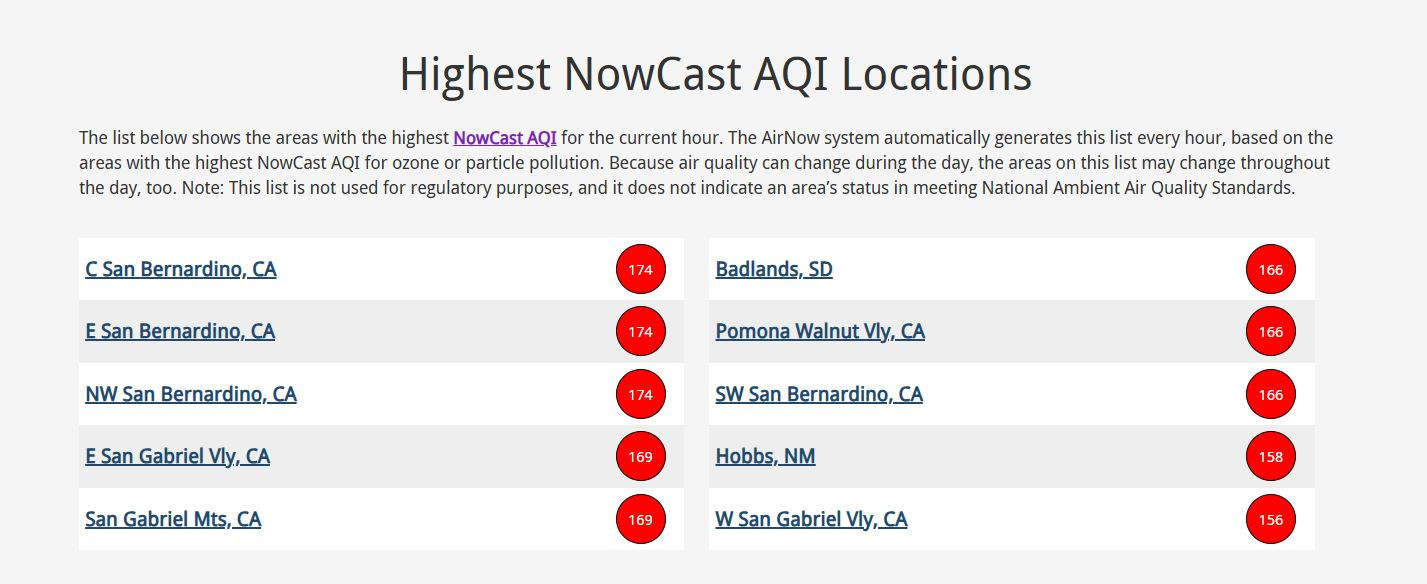
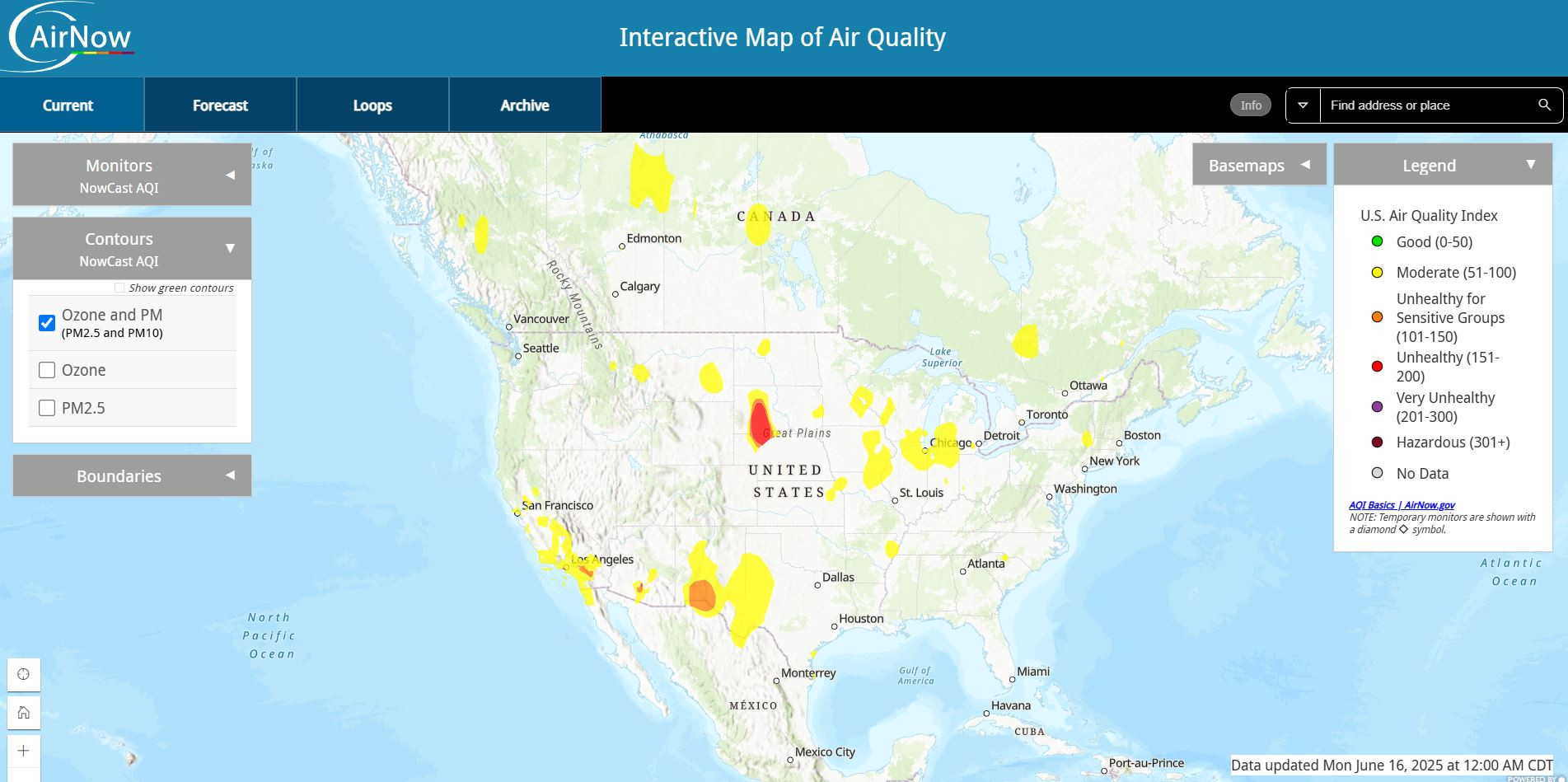
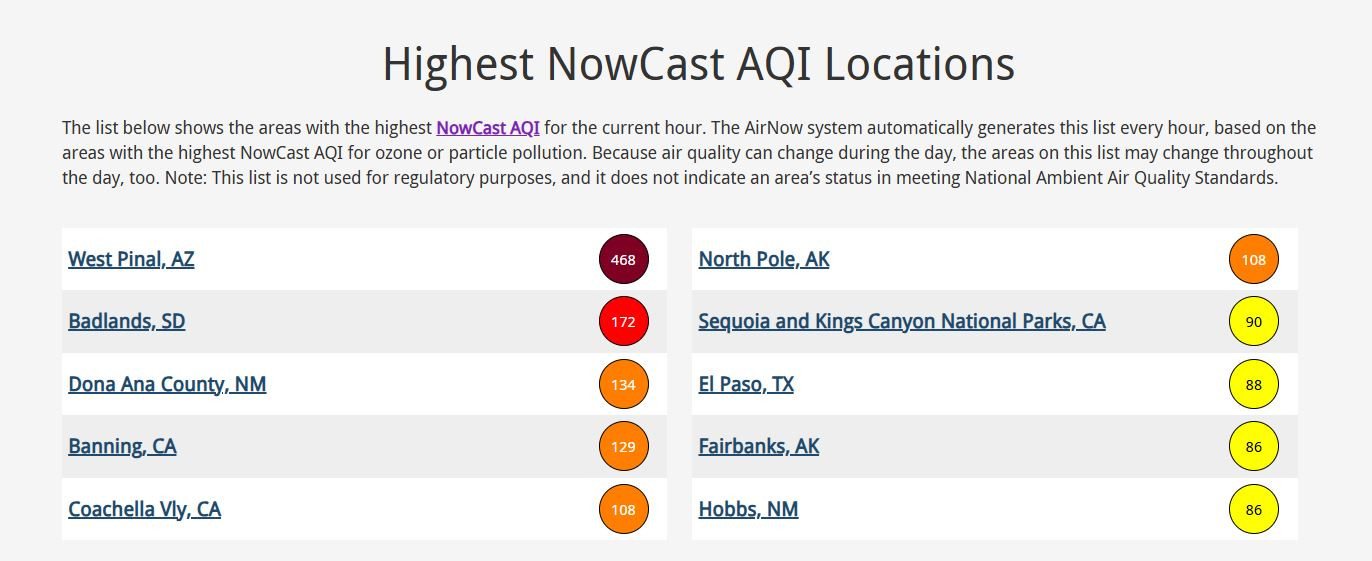
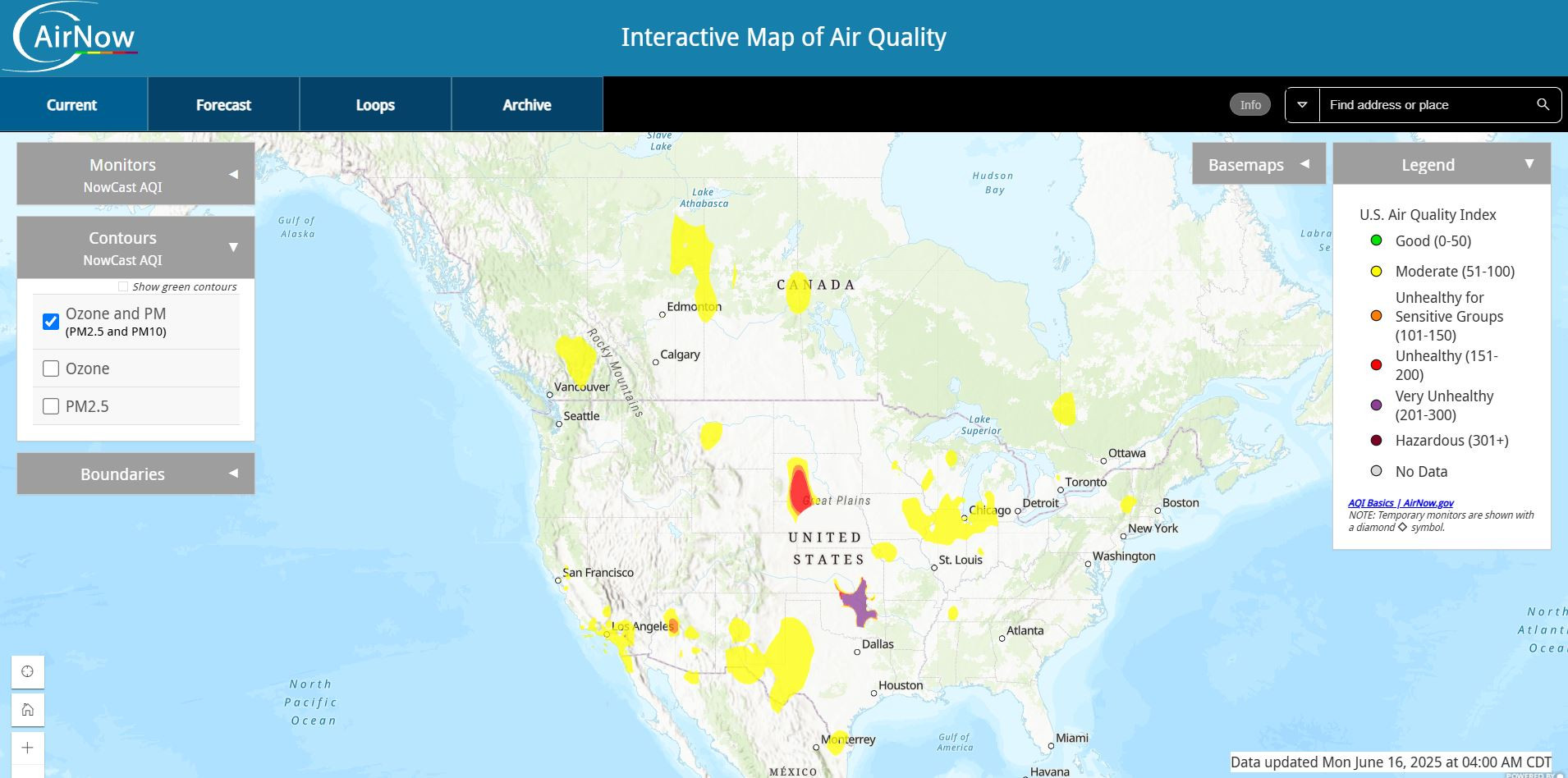
The O3 NowCast: U.S. EPA’s Method for Characterizing and Communicating Current Air Quality
Background
Ambient ozone (O3) is known to cause adverse human health effects, including aggravation of
asthma and chronic obstructive pulmonary disease (COPD) (1). The U.S. Environmental Protection Agency (EPA) takes several measures to protect against such health effects, including setting
national ambient air quality standards (NAAQS) and working with state, local and tribal agencies
to implement national ambient air monitoring networks to determine NAAQS compliance (1). The
forms of the NAAQS are typically multi-year statistics, but most monitors currently collect data on
an hourly basis. Data is thus available which can potentially let people make real-time decisions
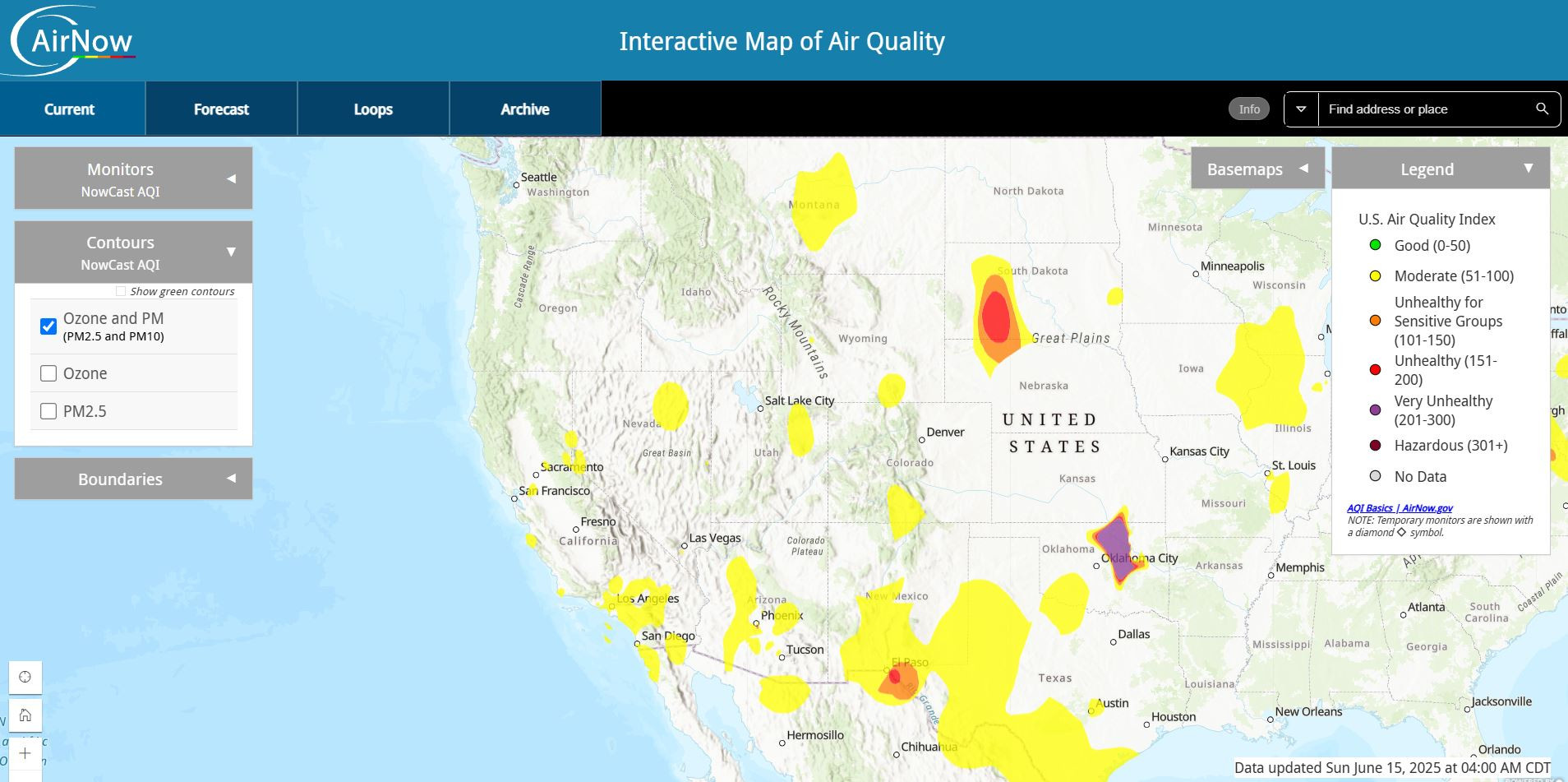
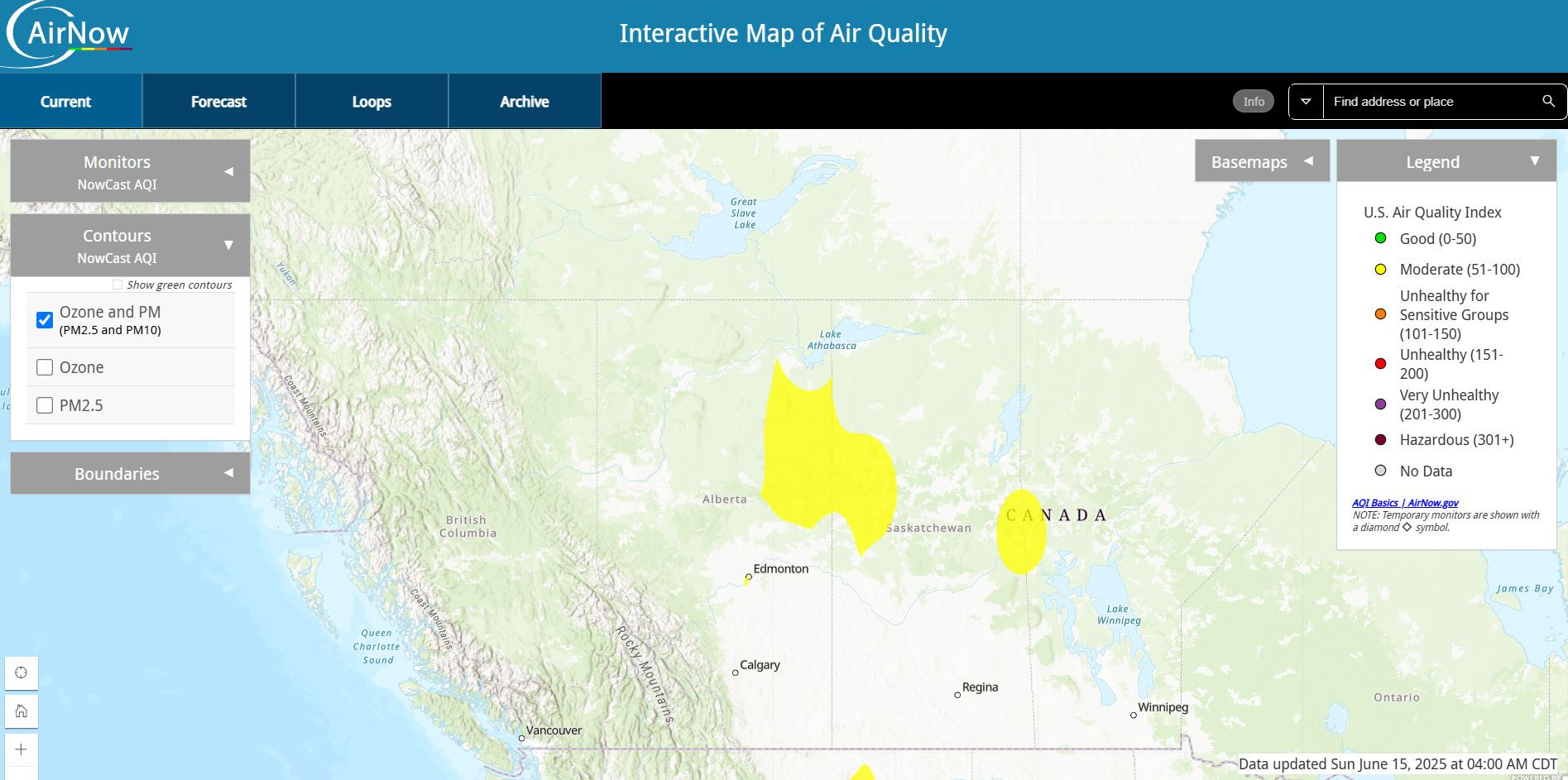
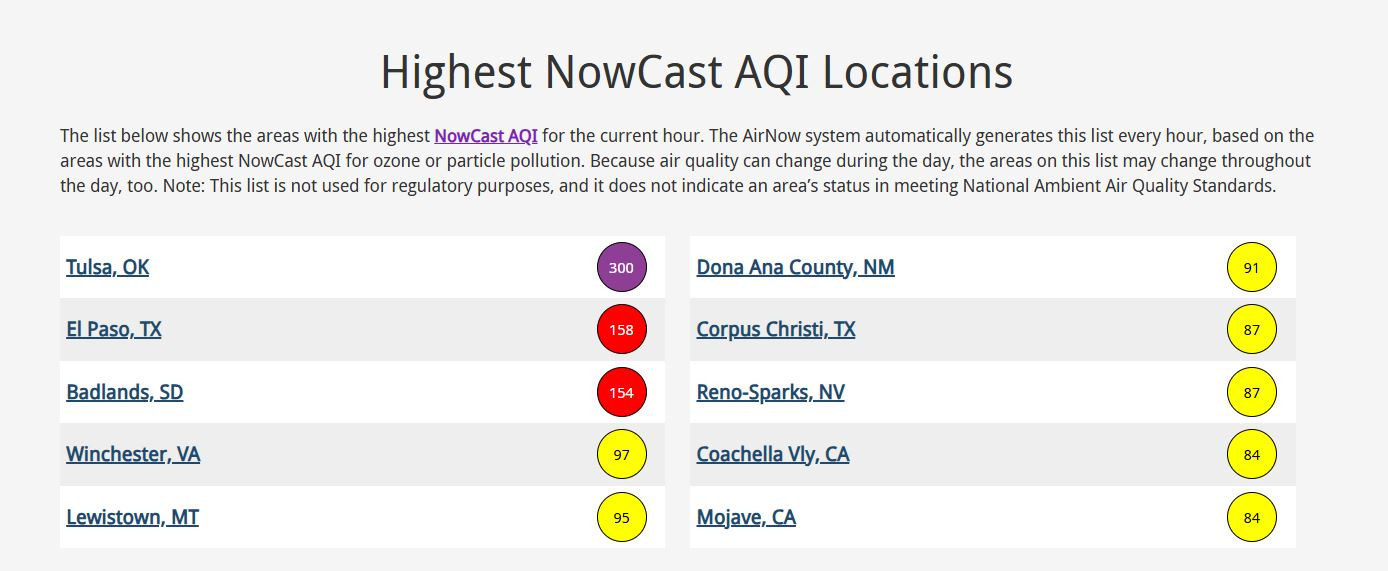
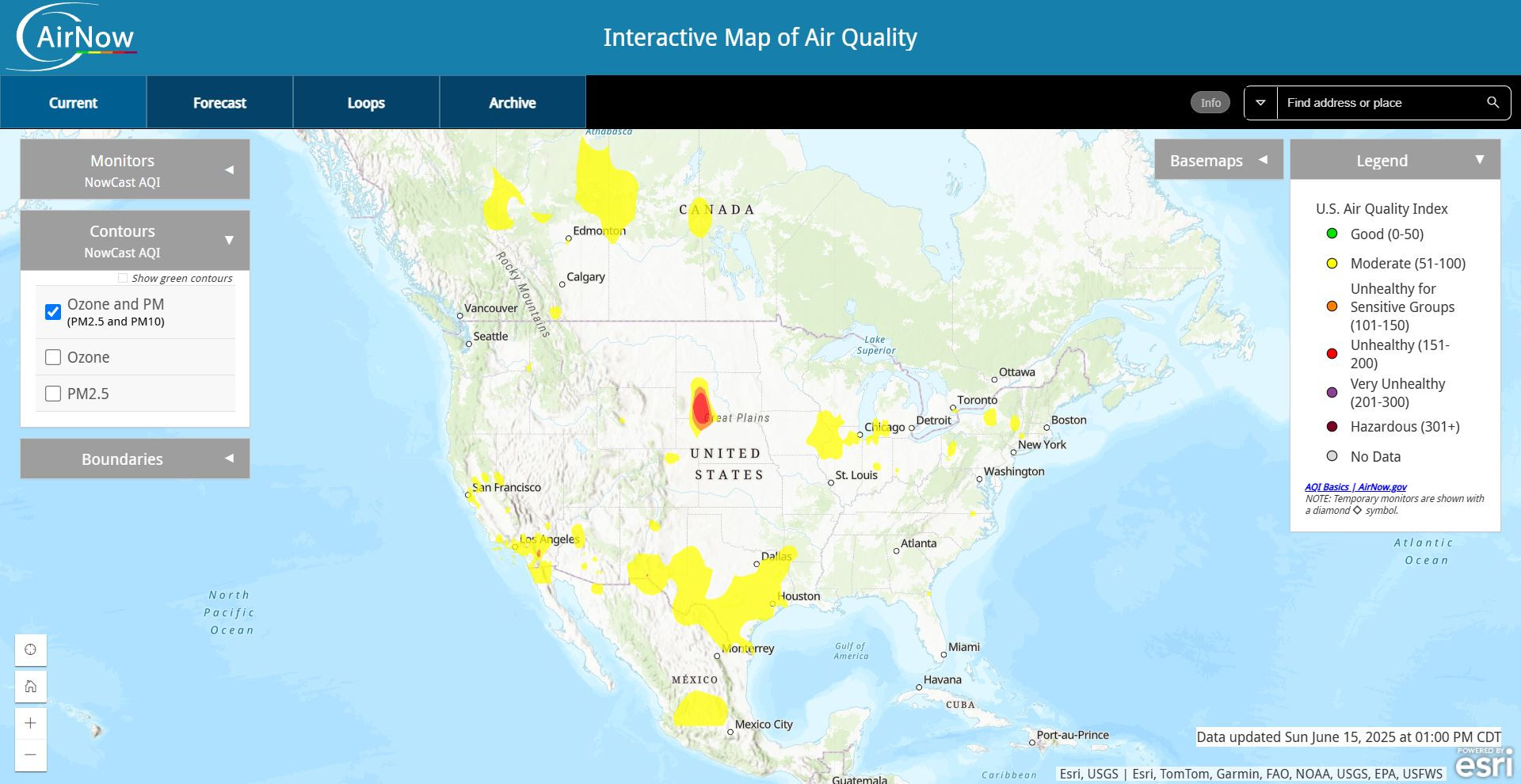
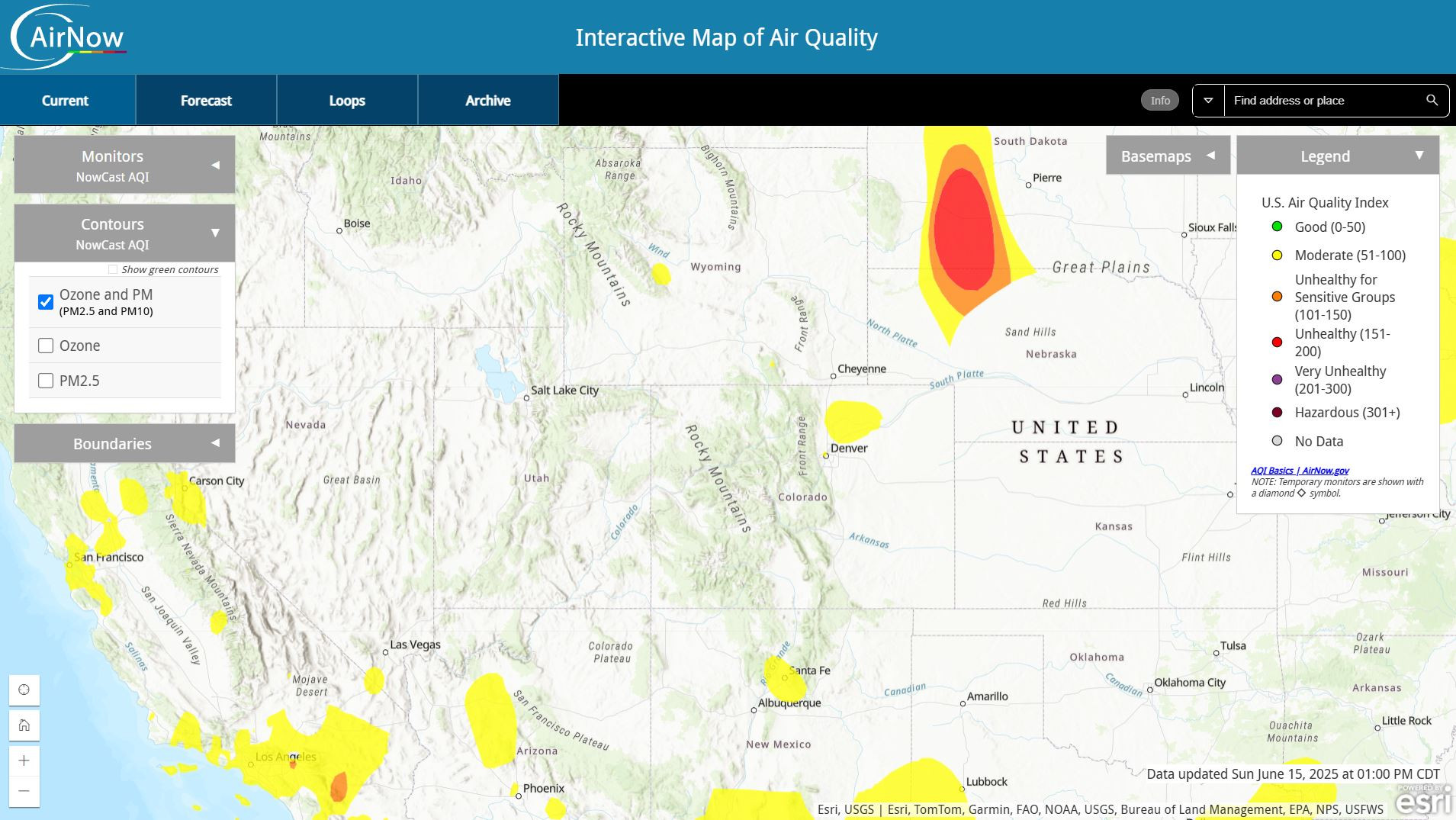
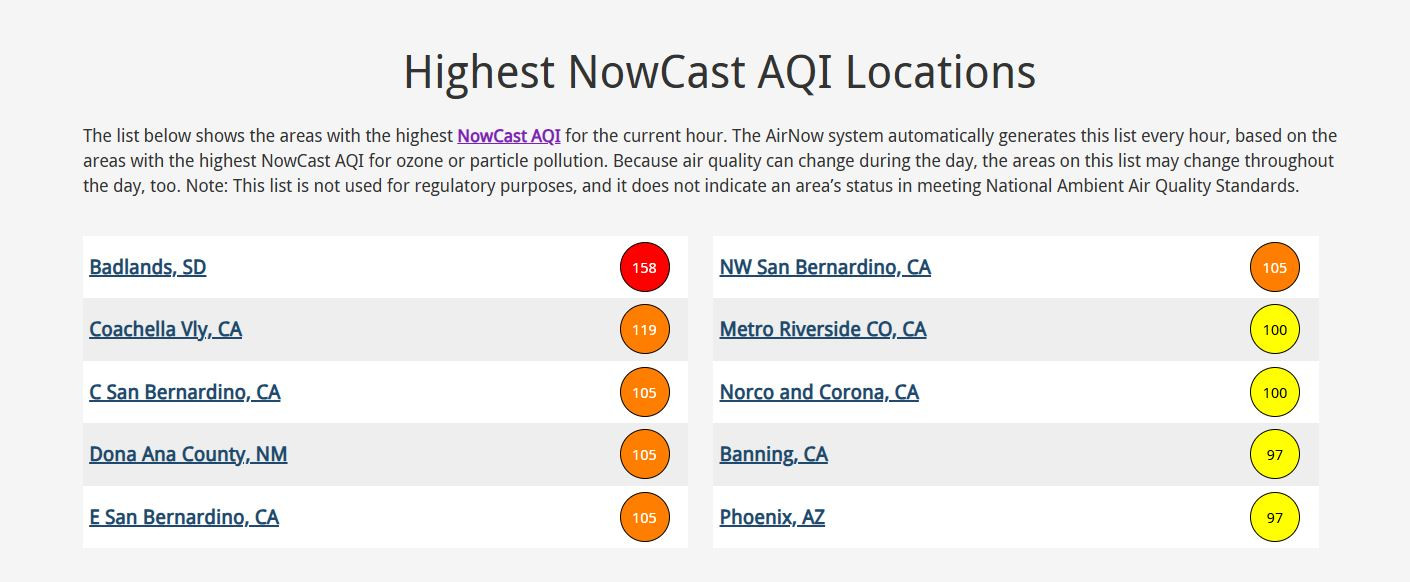
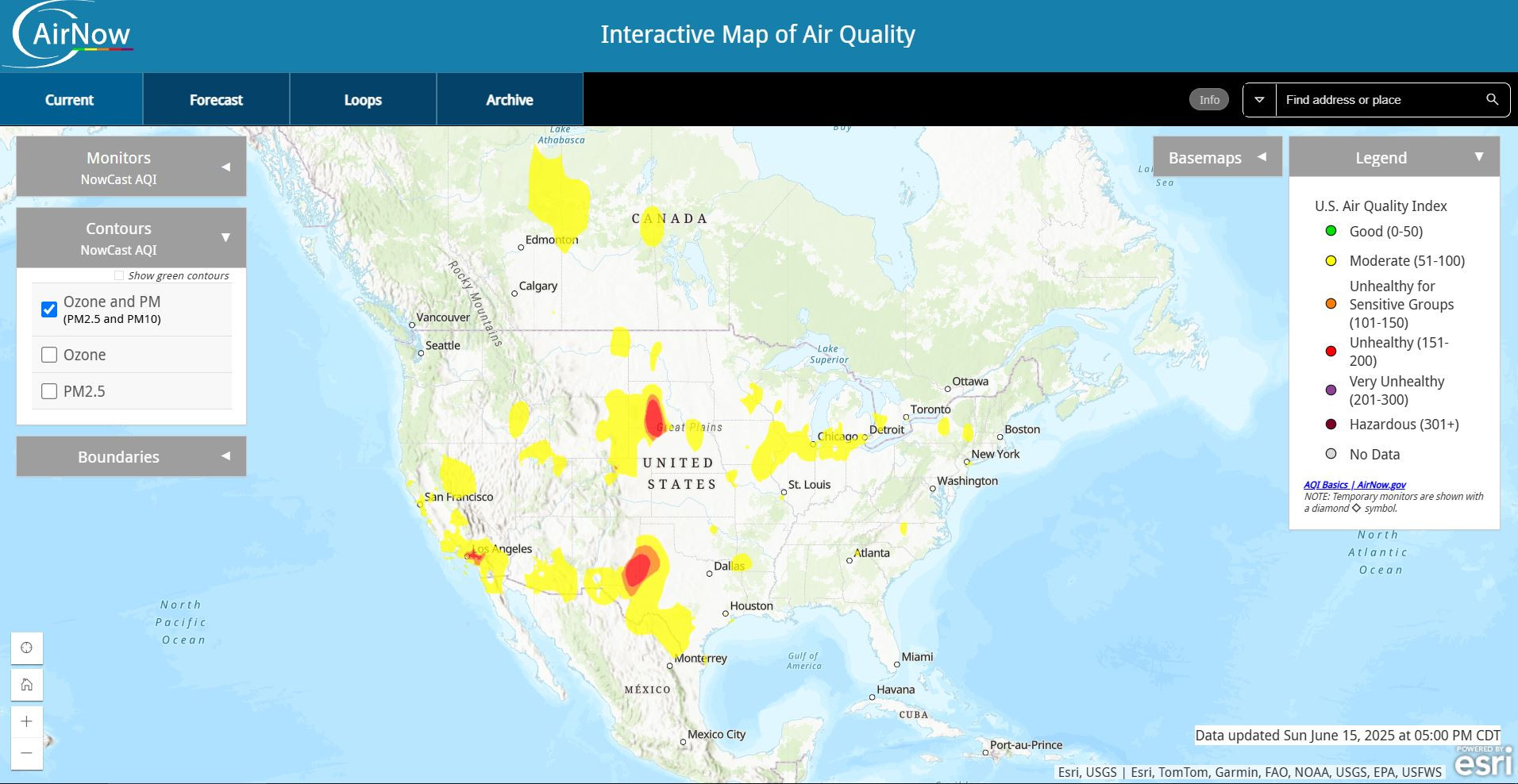
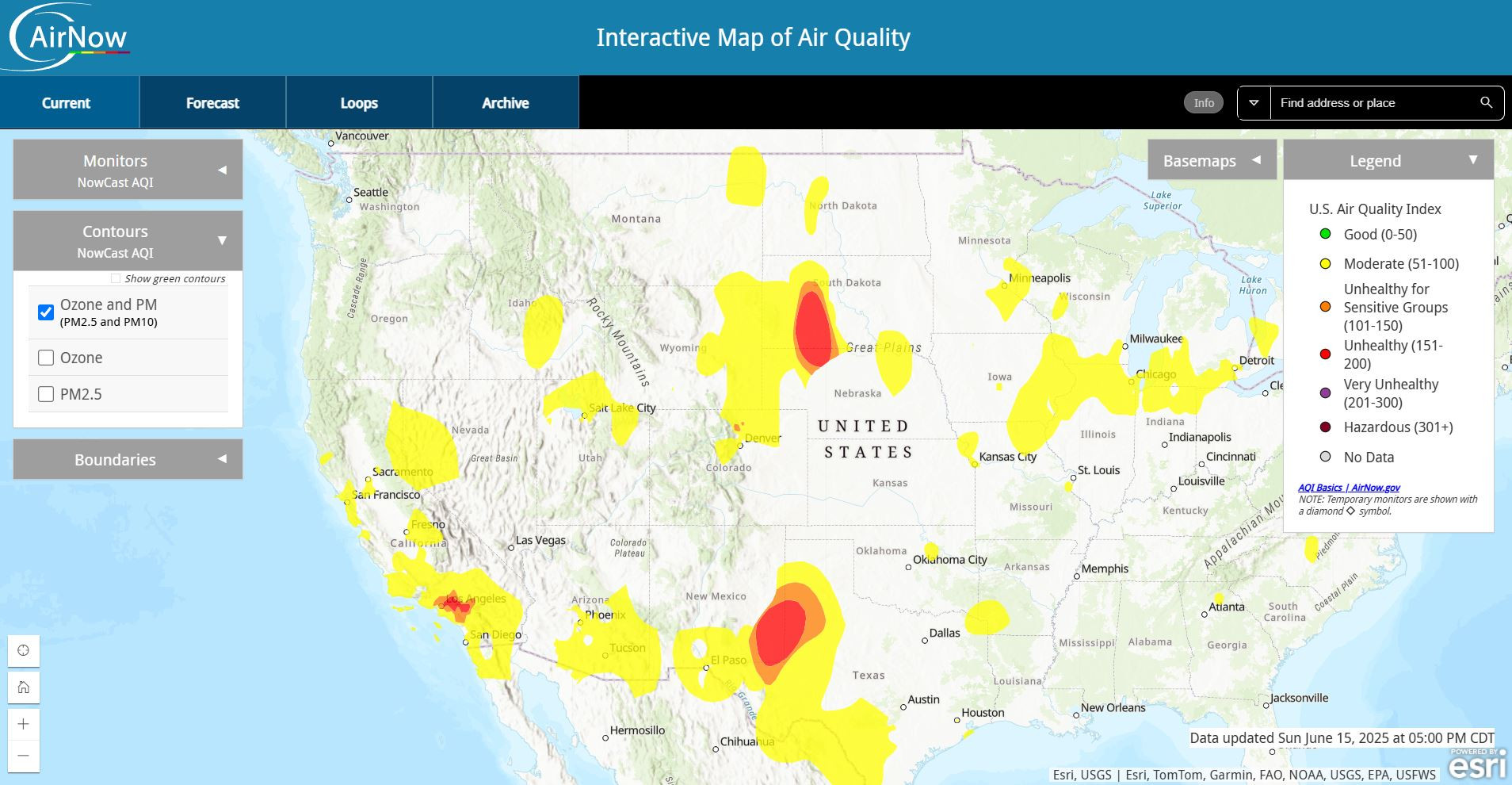
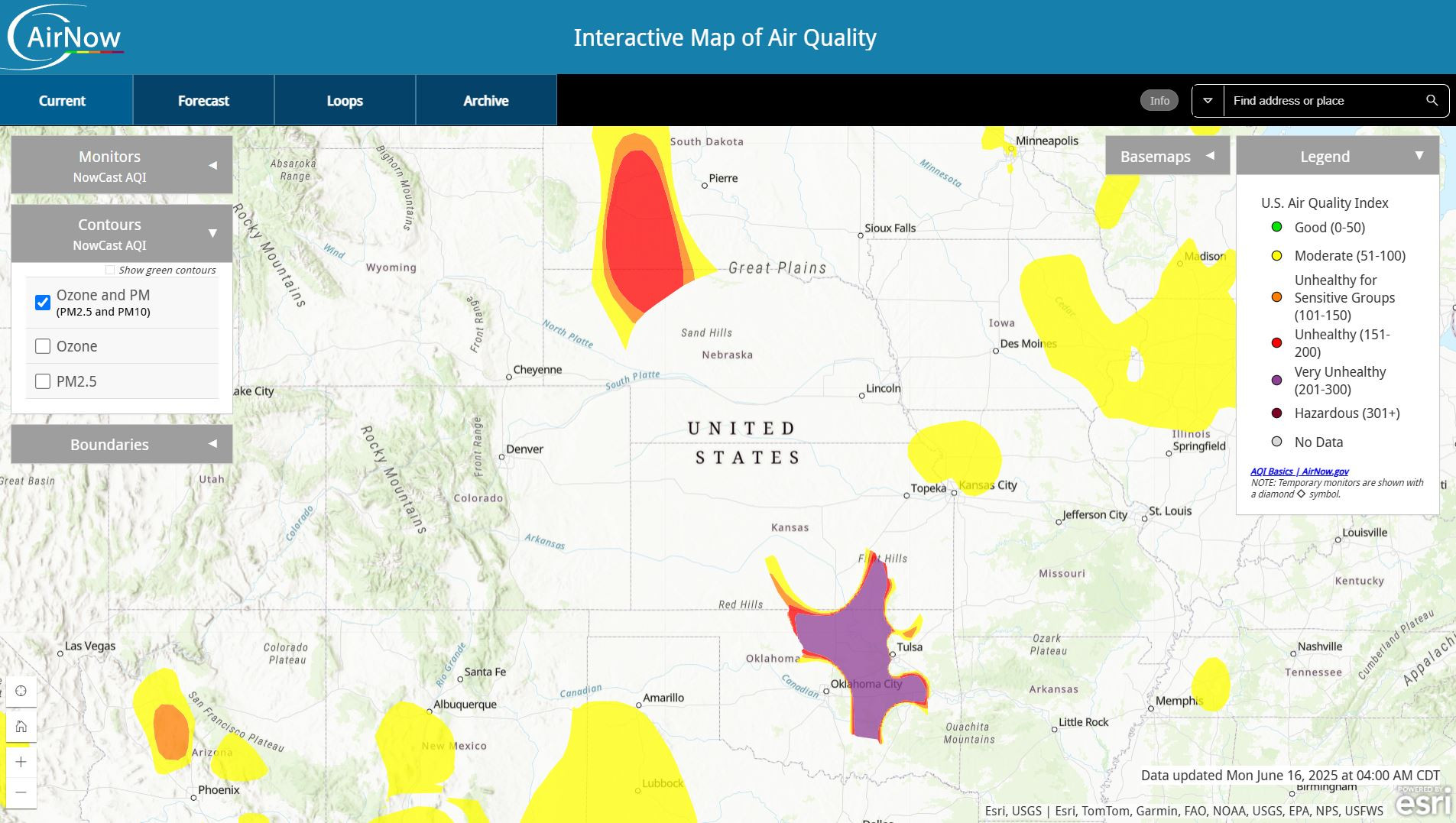
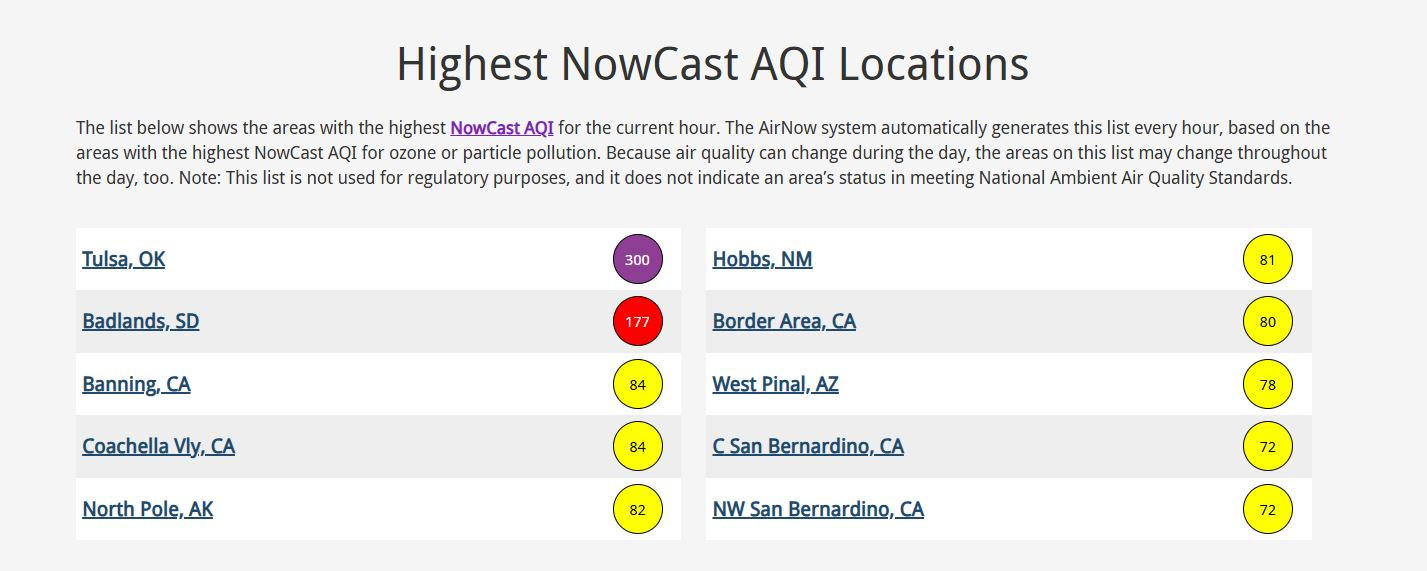
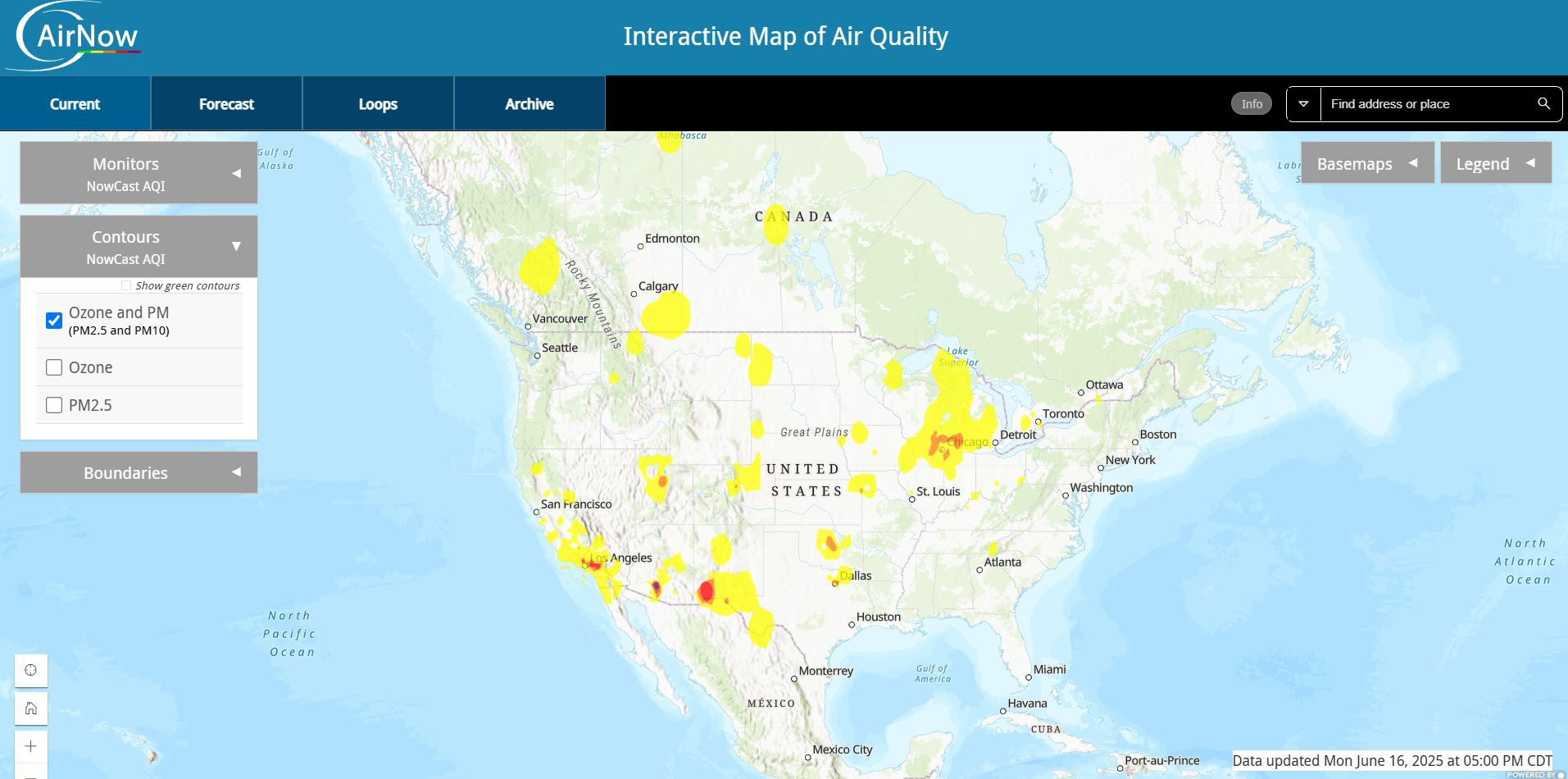
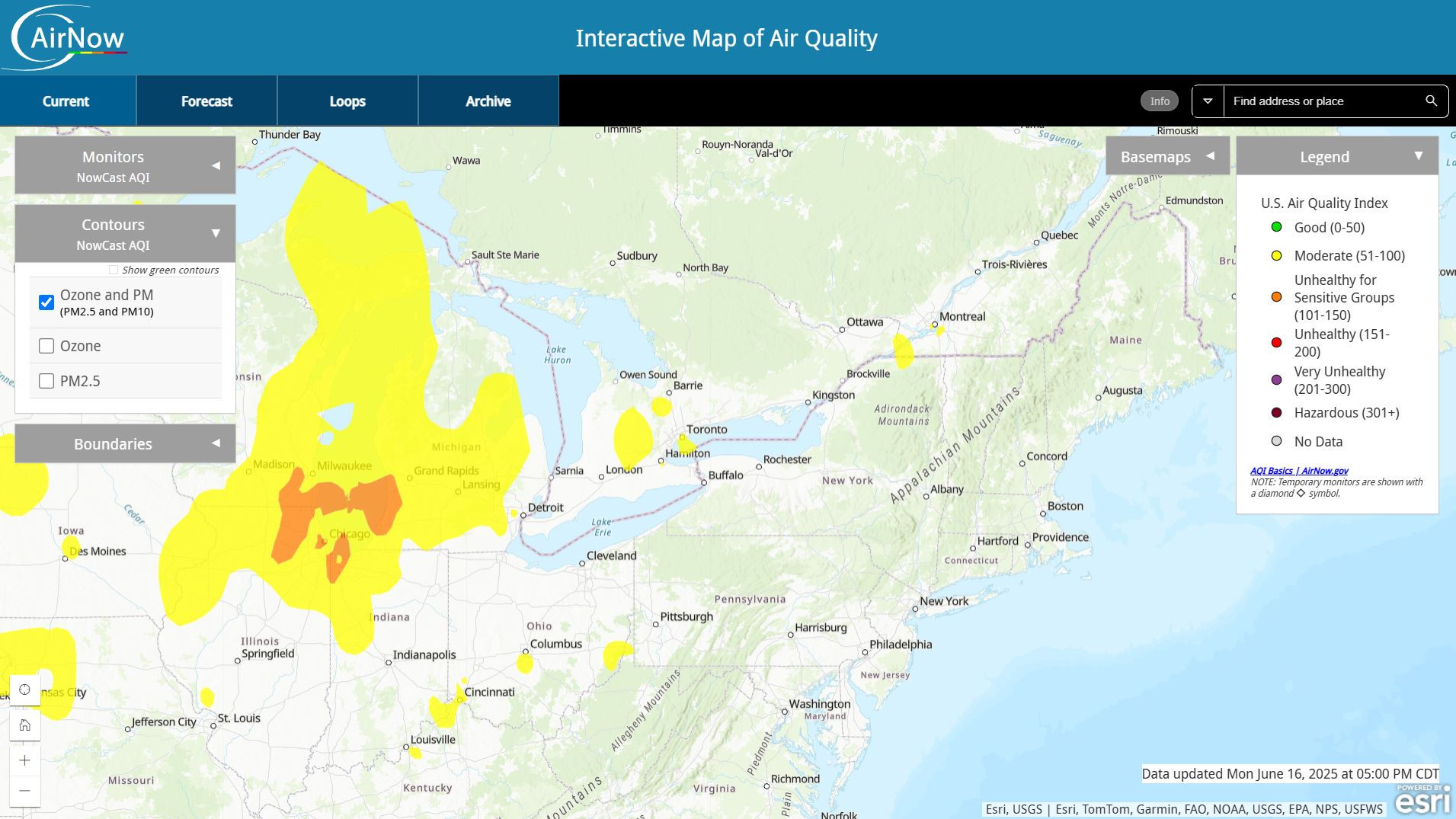
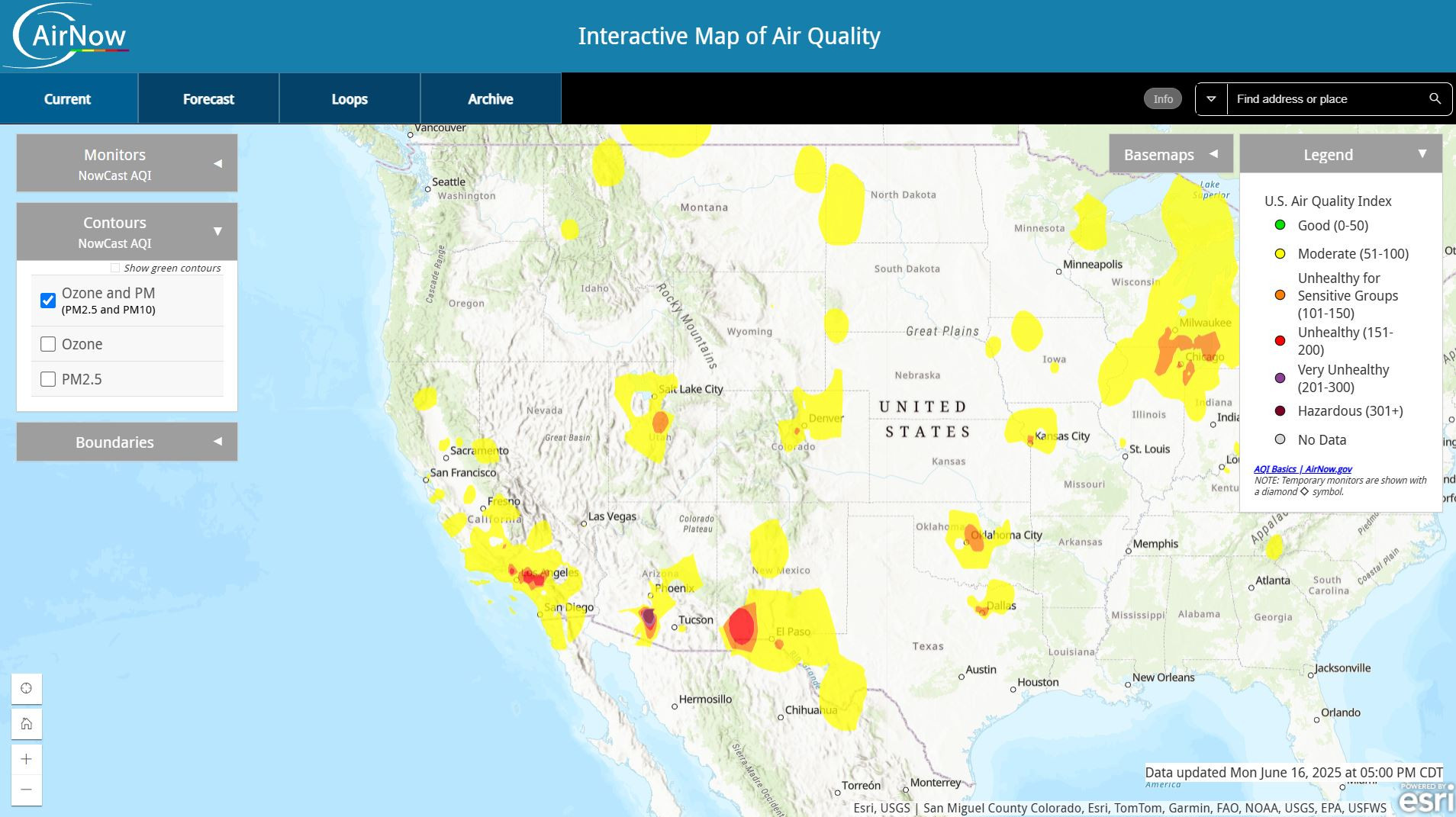
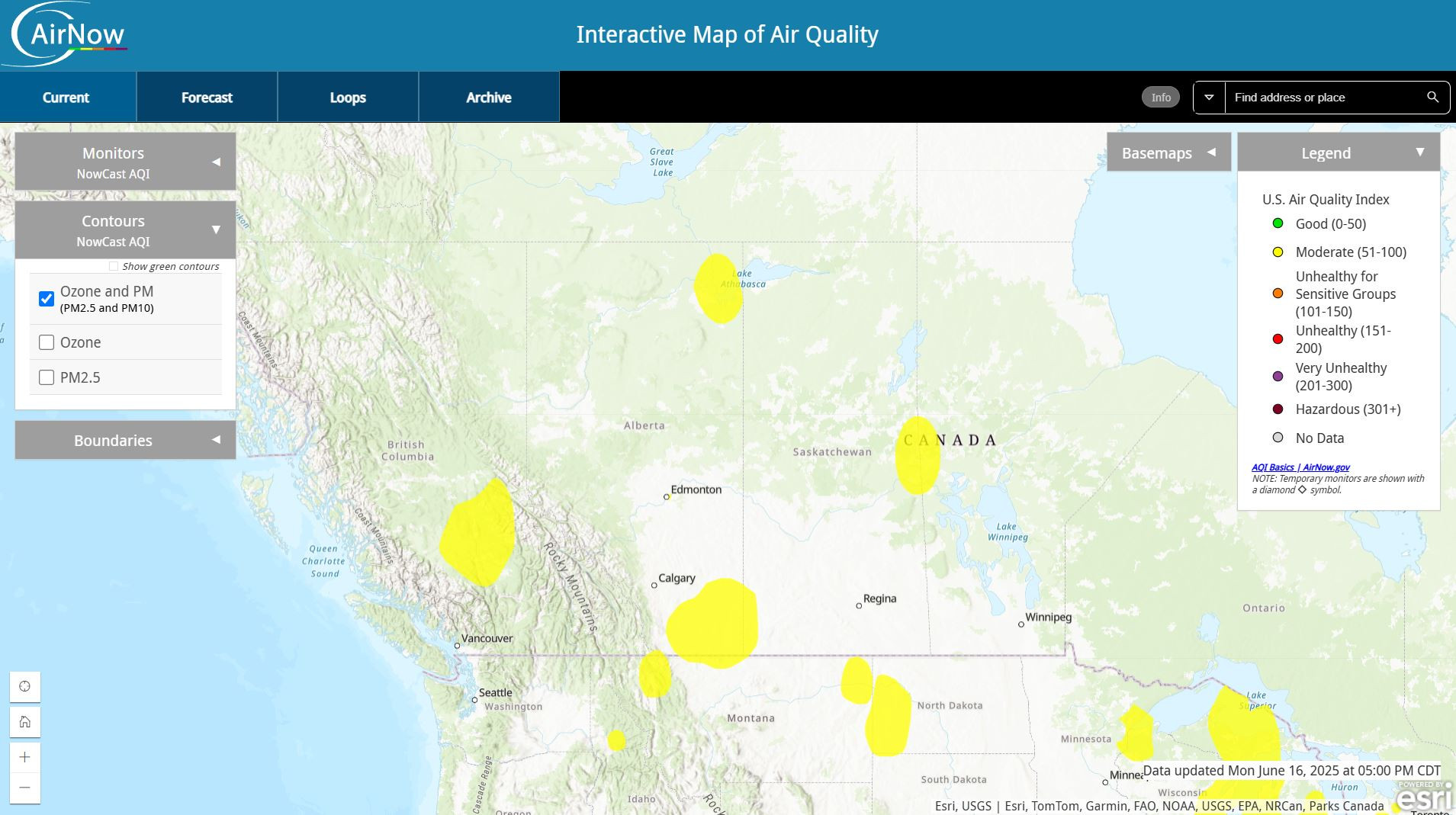
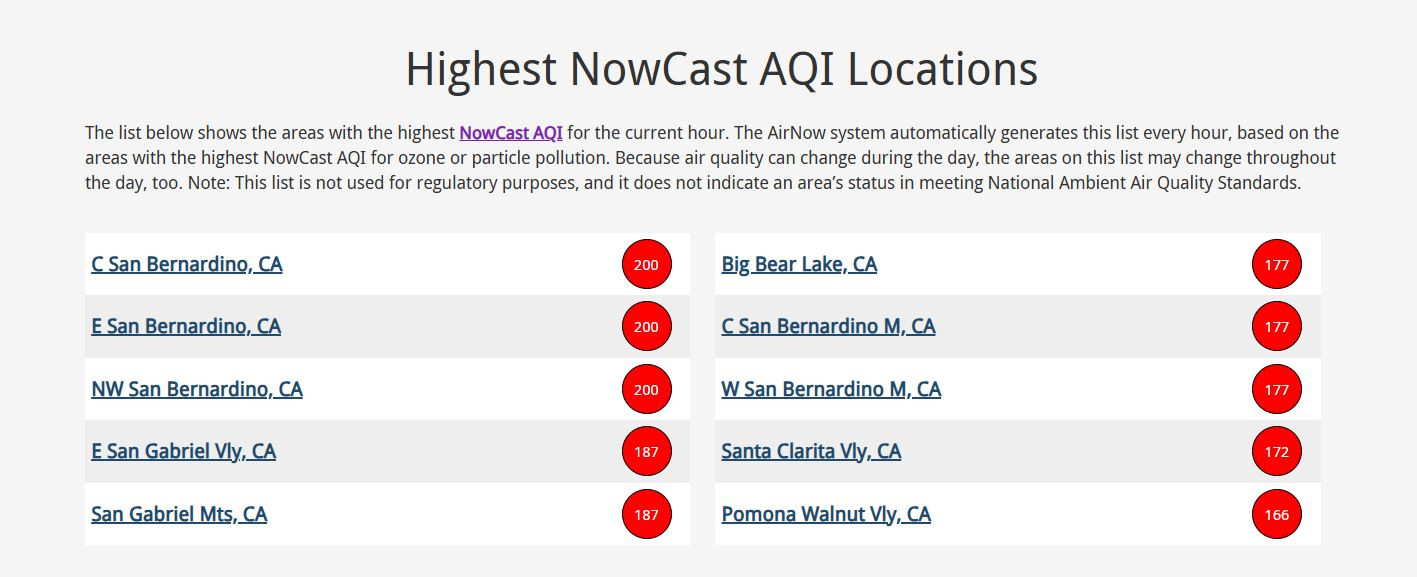
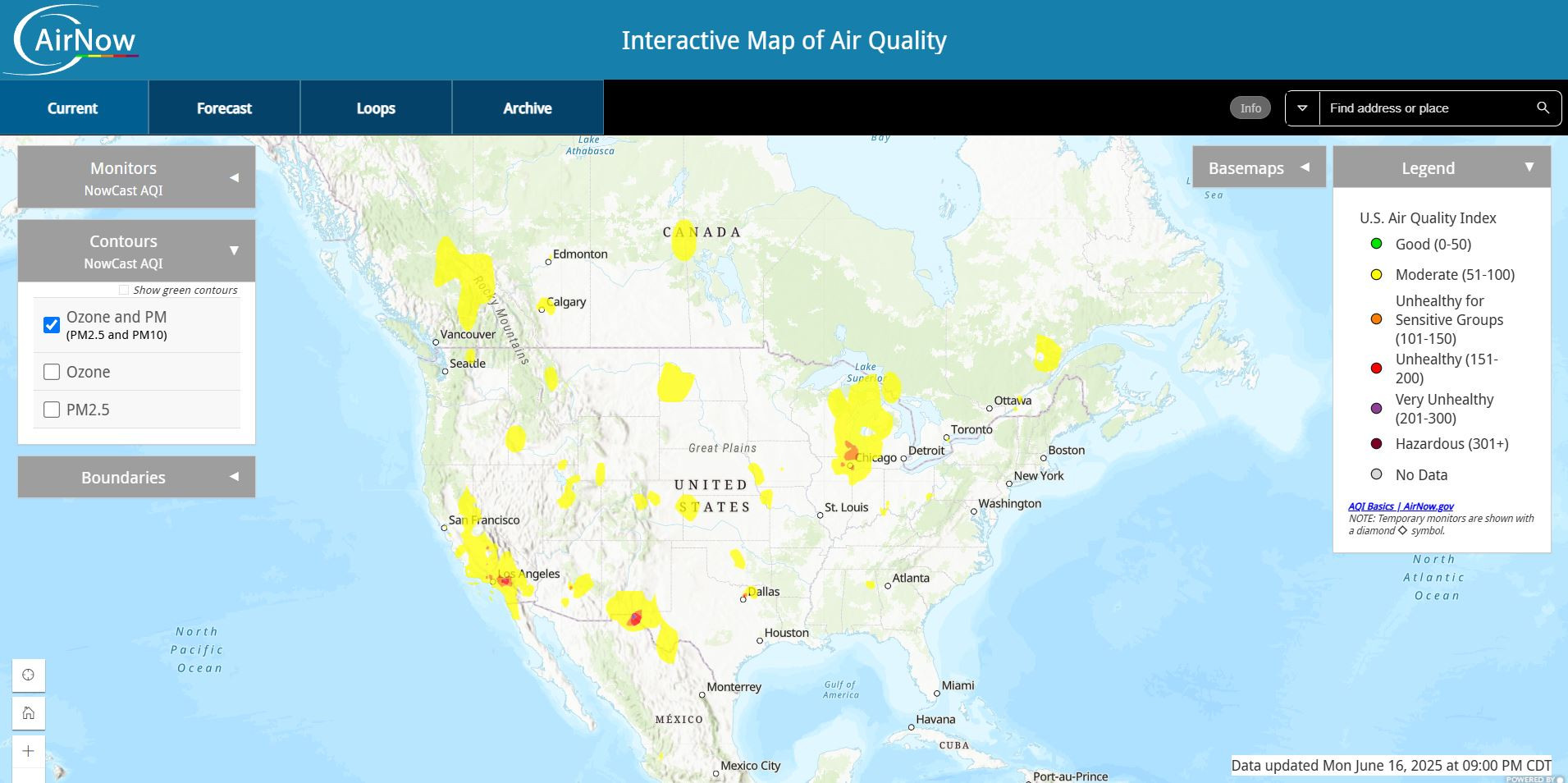
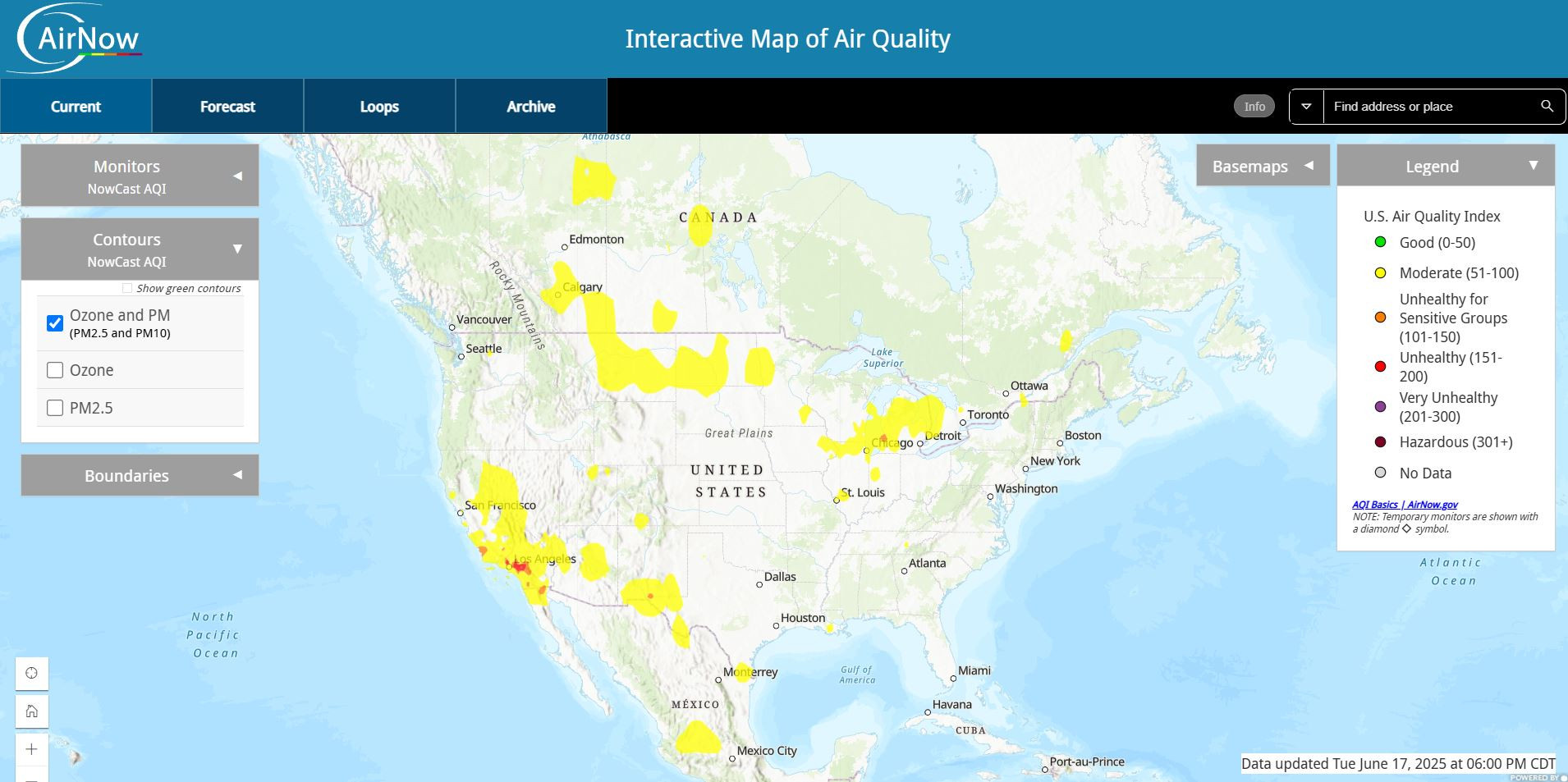
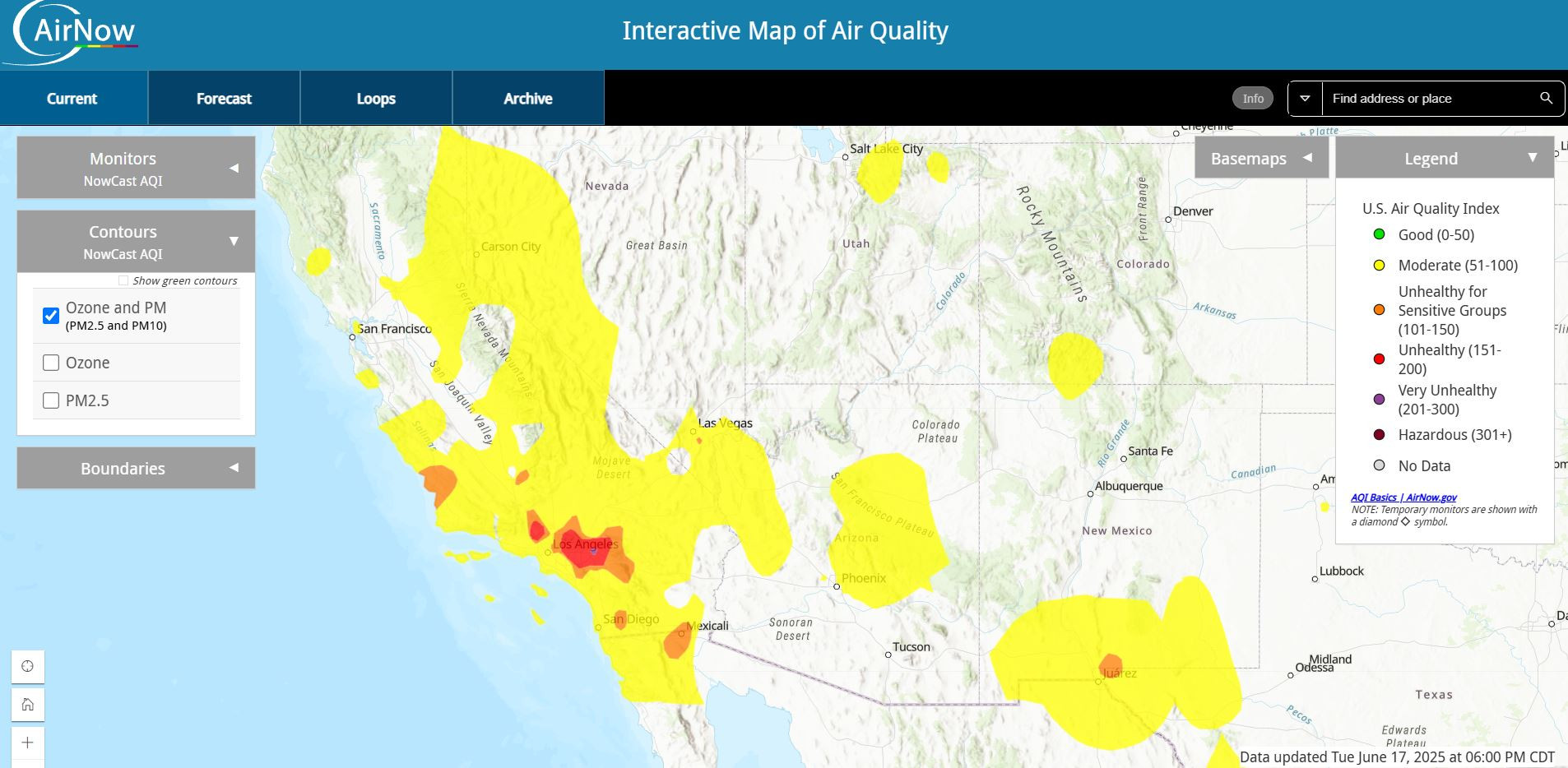
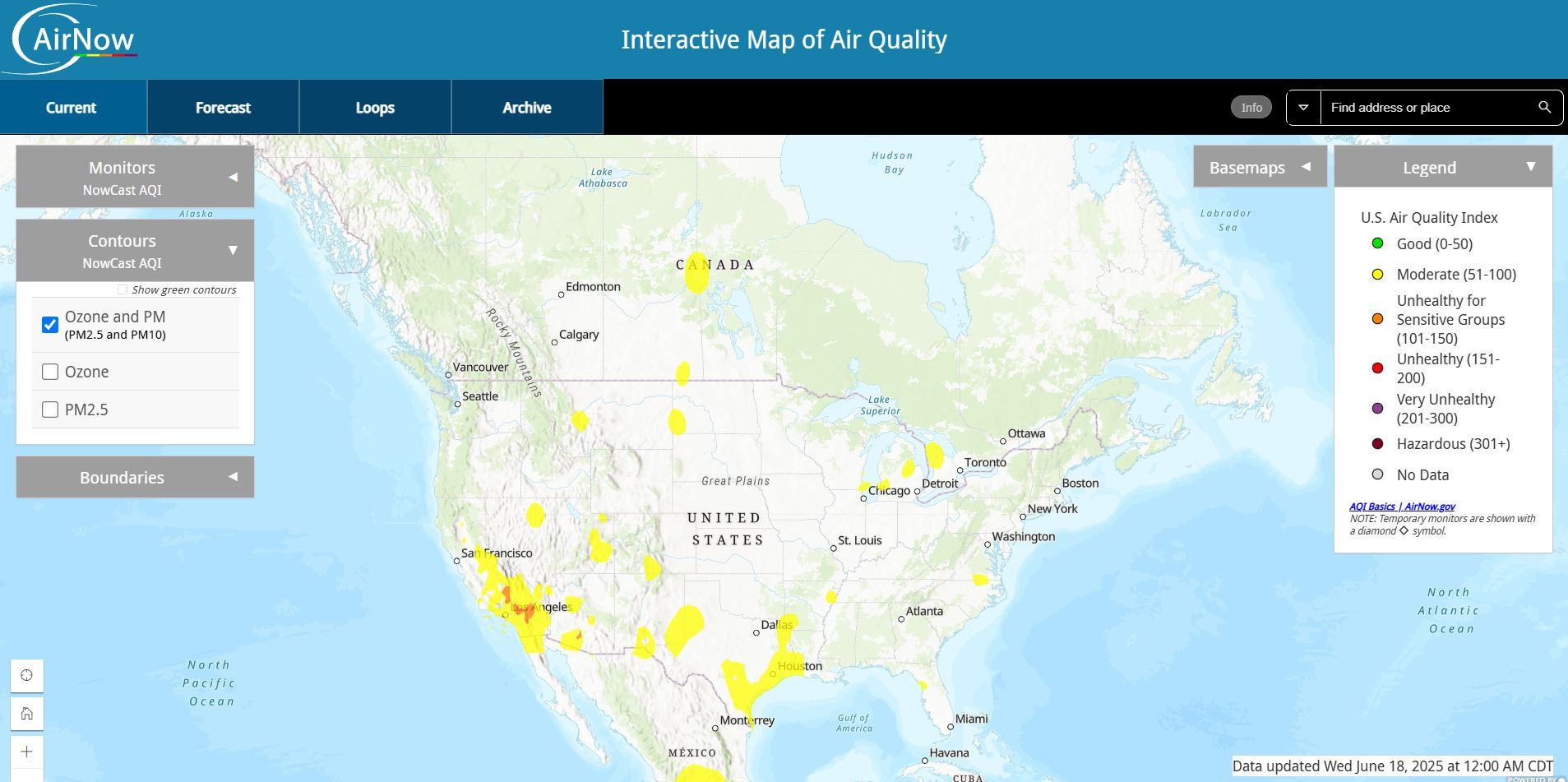
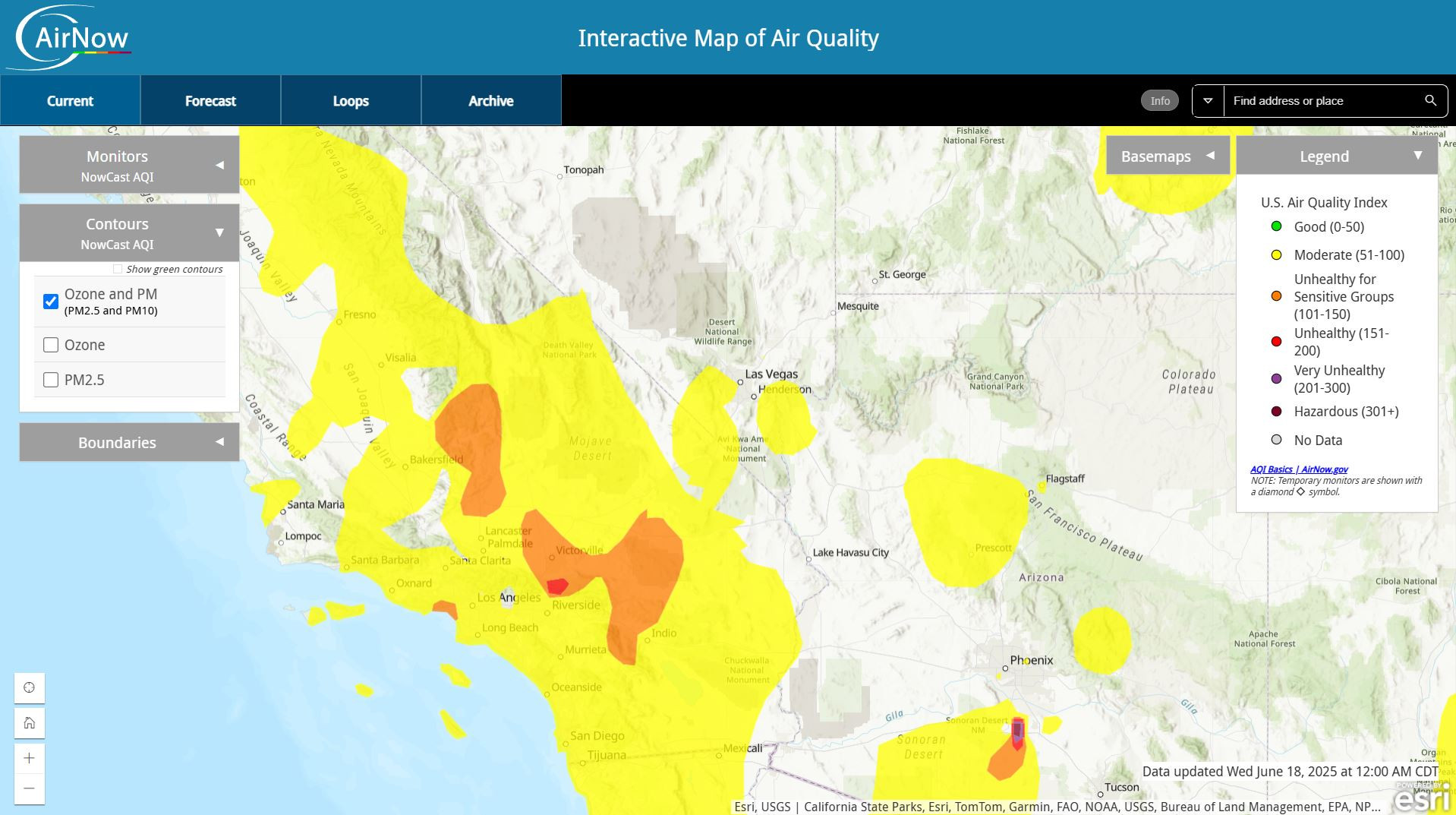
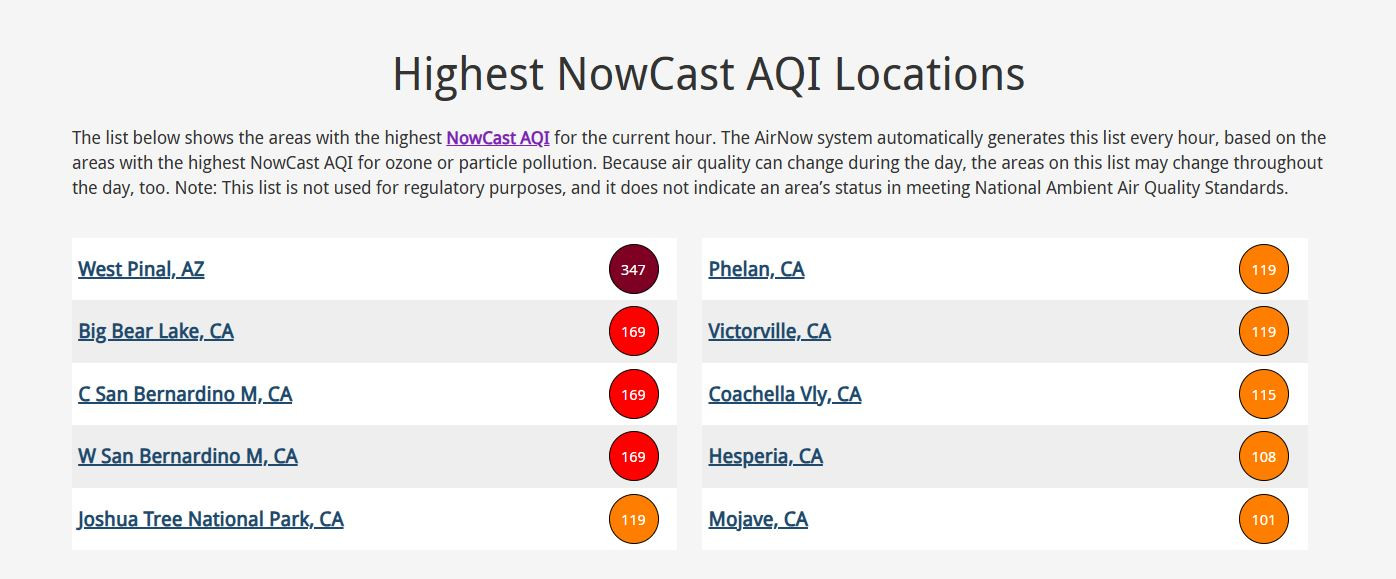
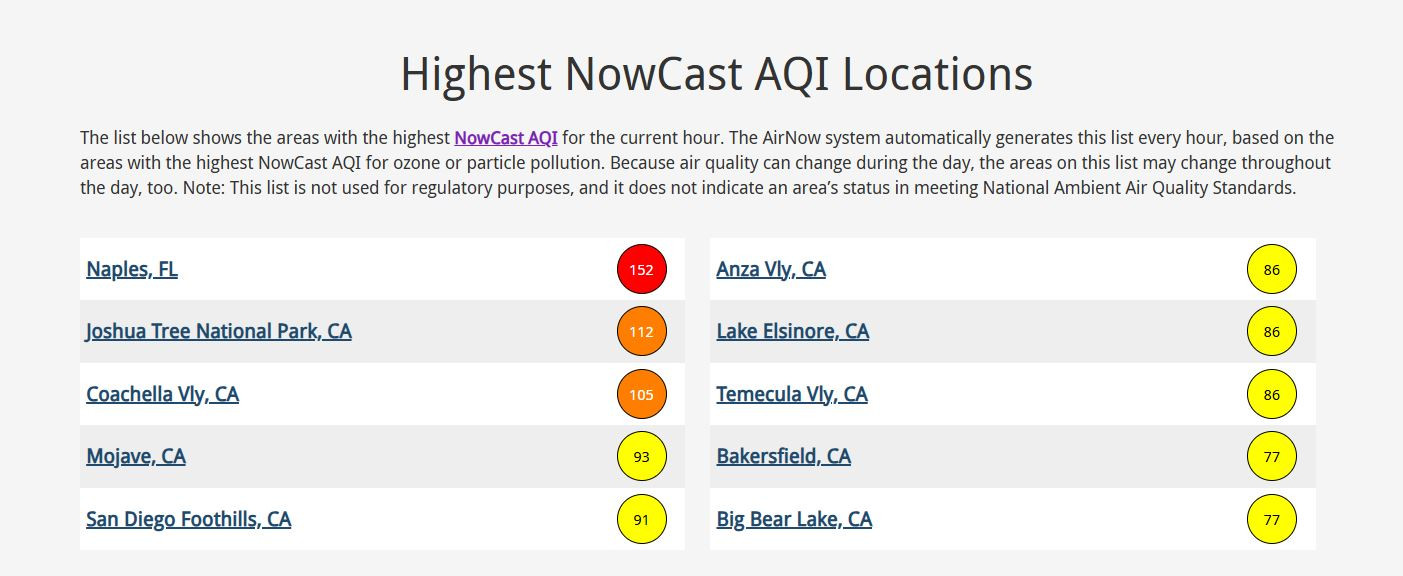
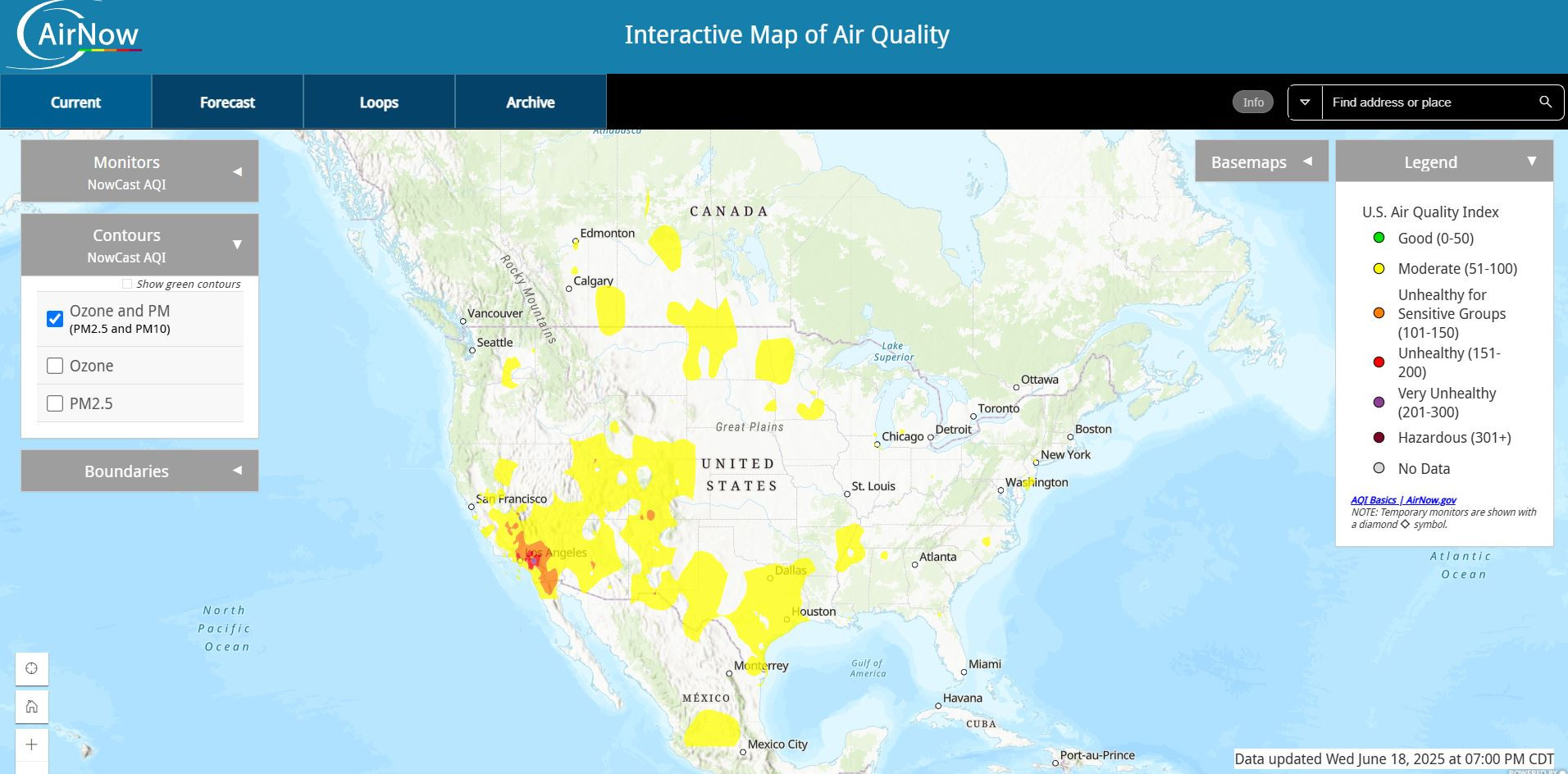
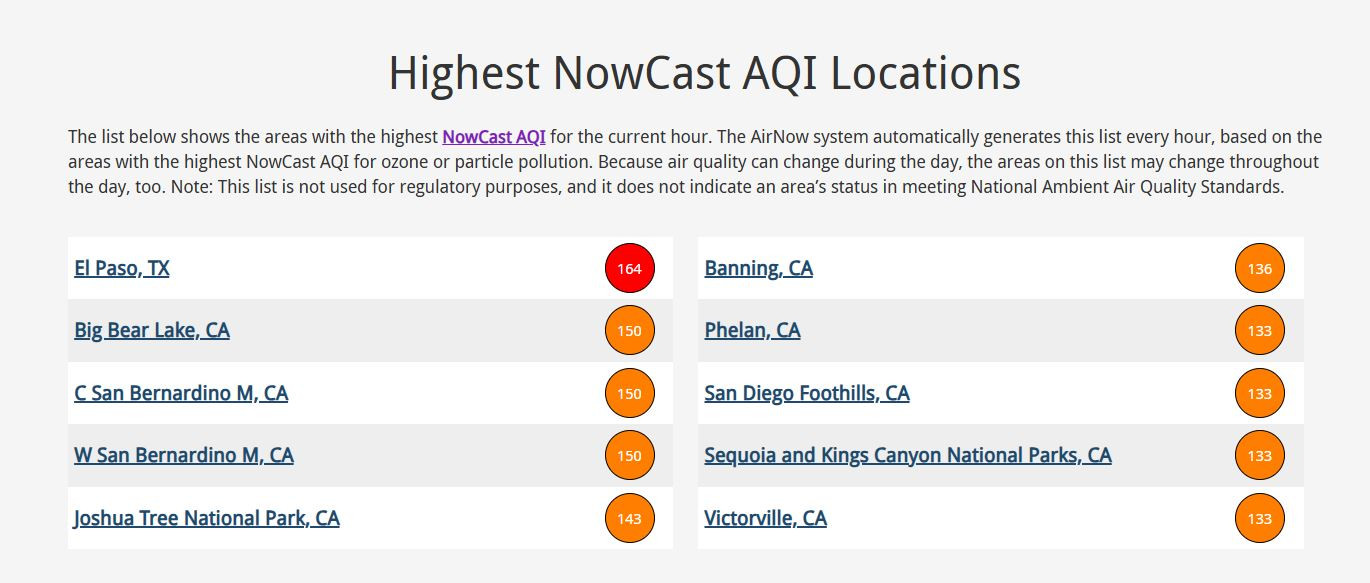
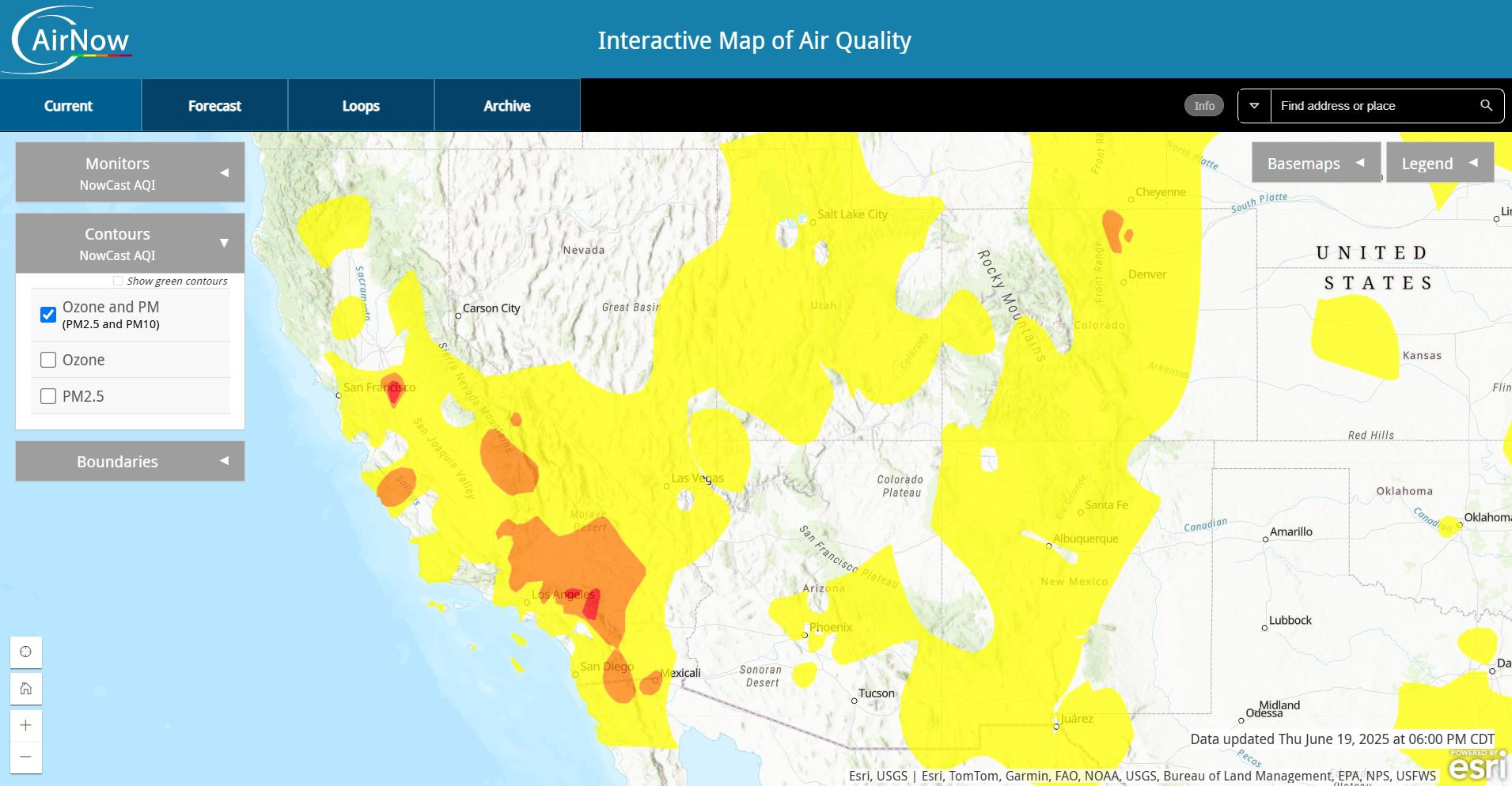
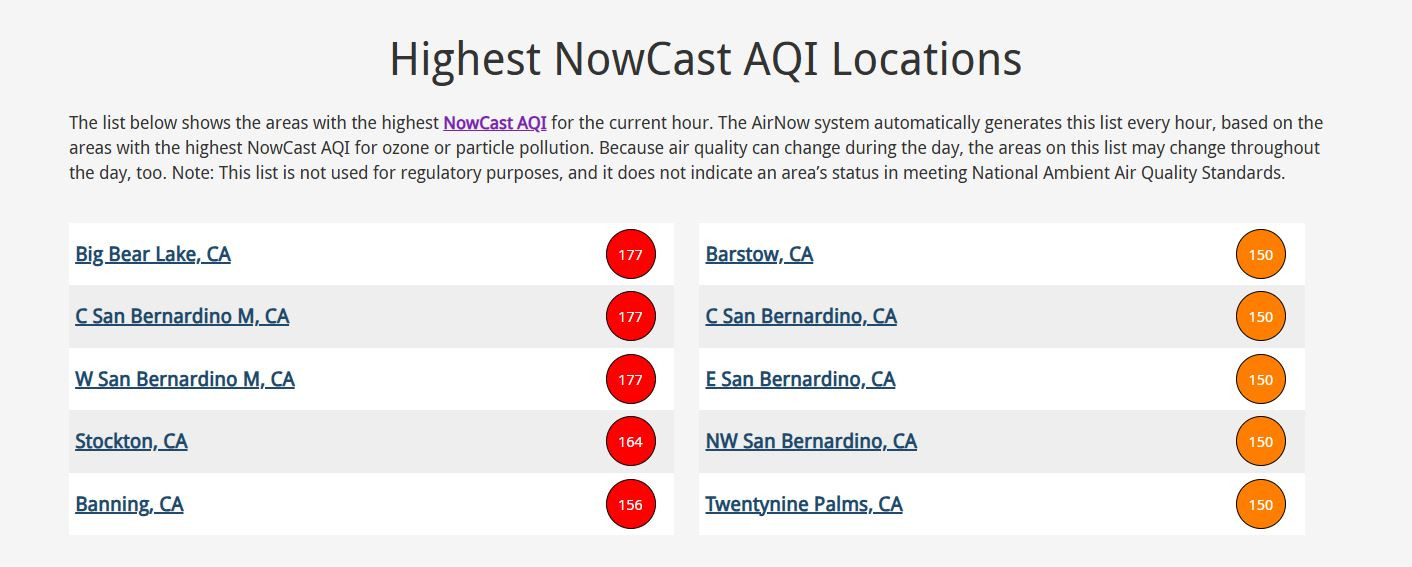
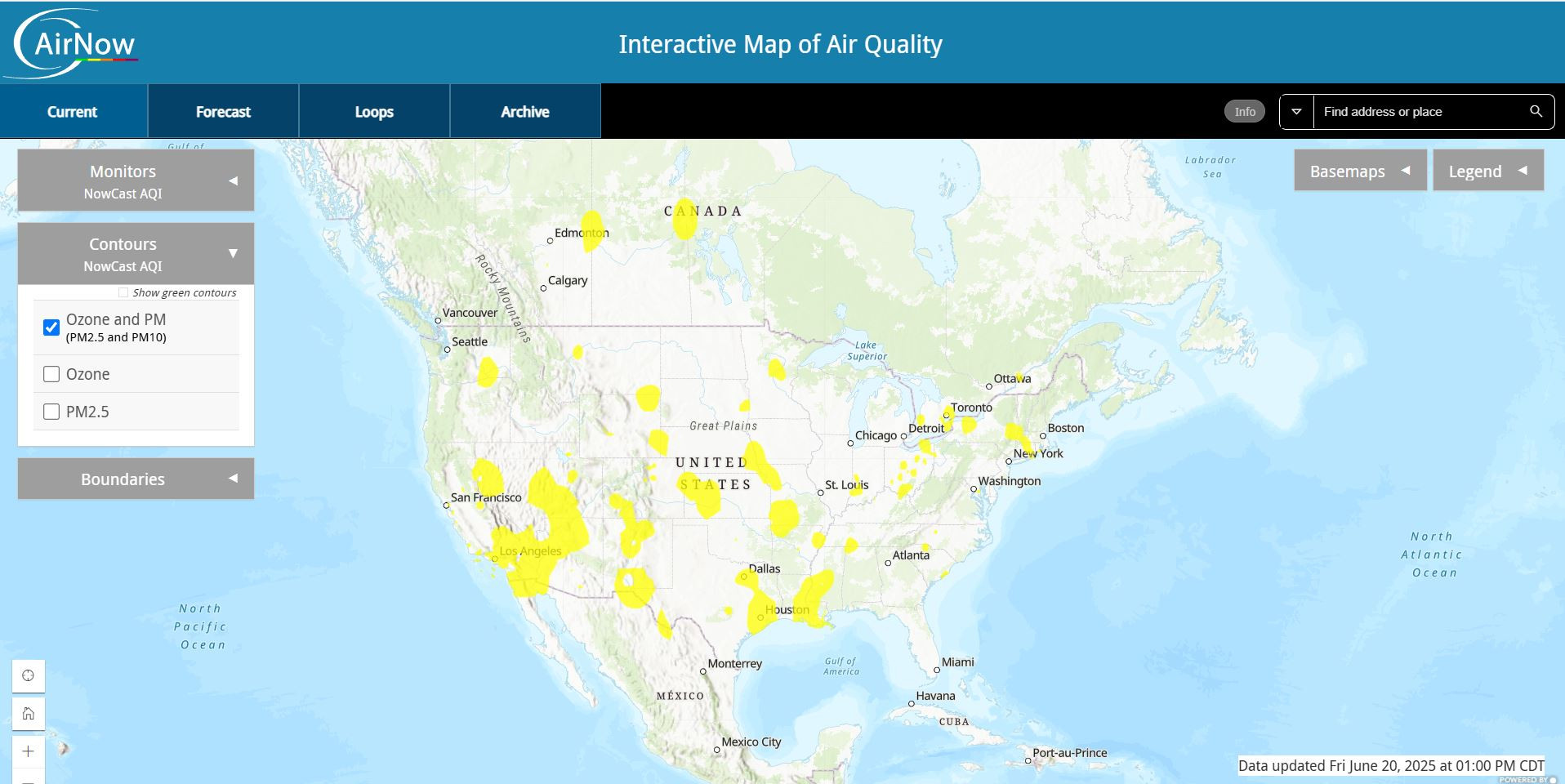
that mitigate exposure. This is the basis of the AirNow website (https://www.airnow.gov/), which
reports this hourly data to the public in real time.
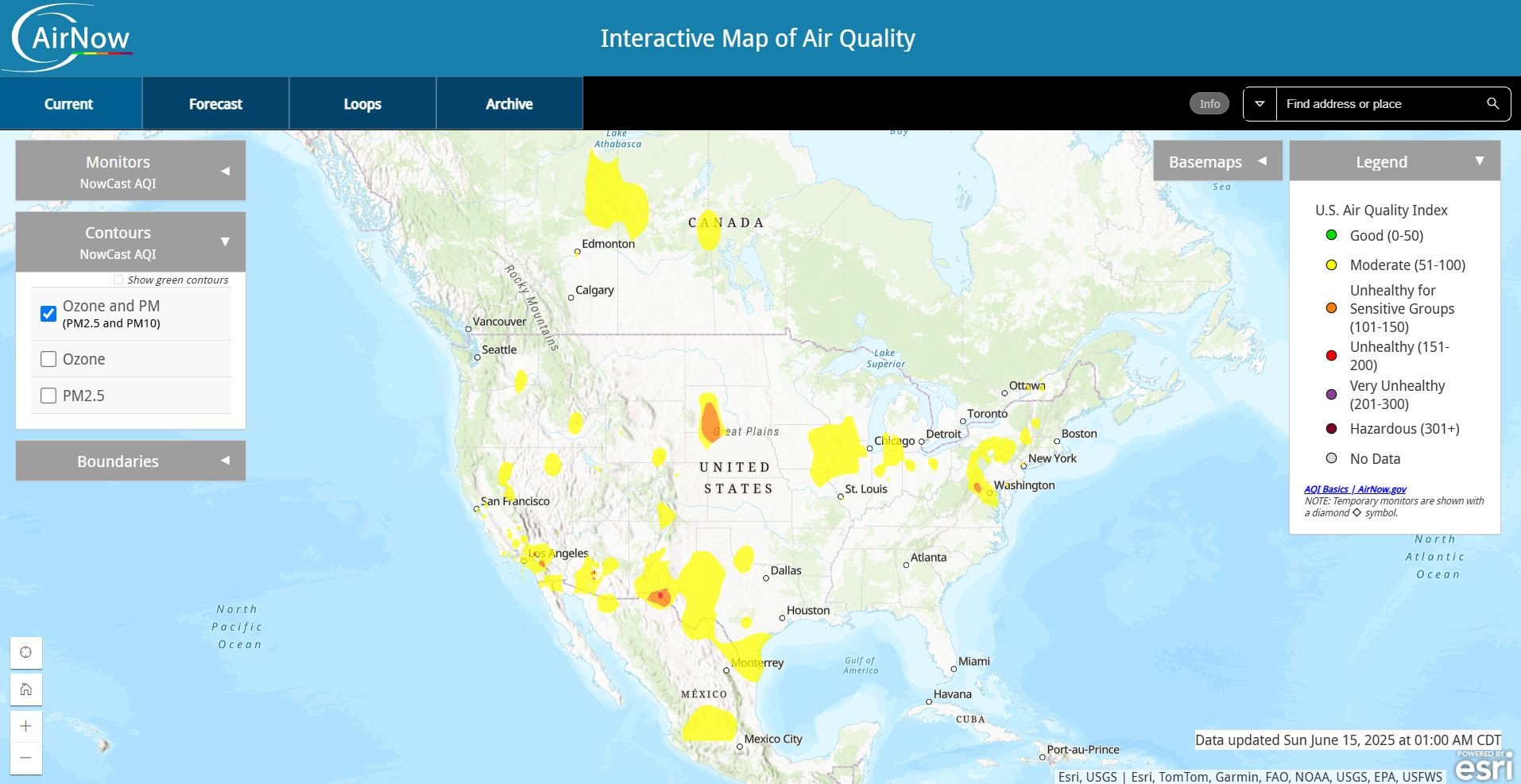
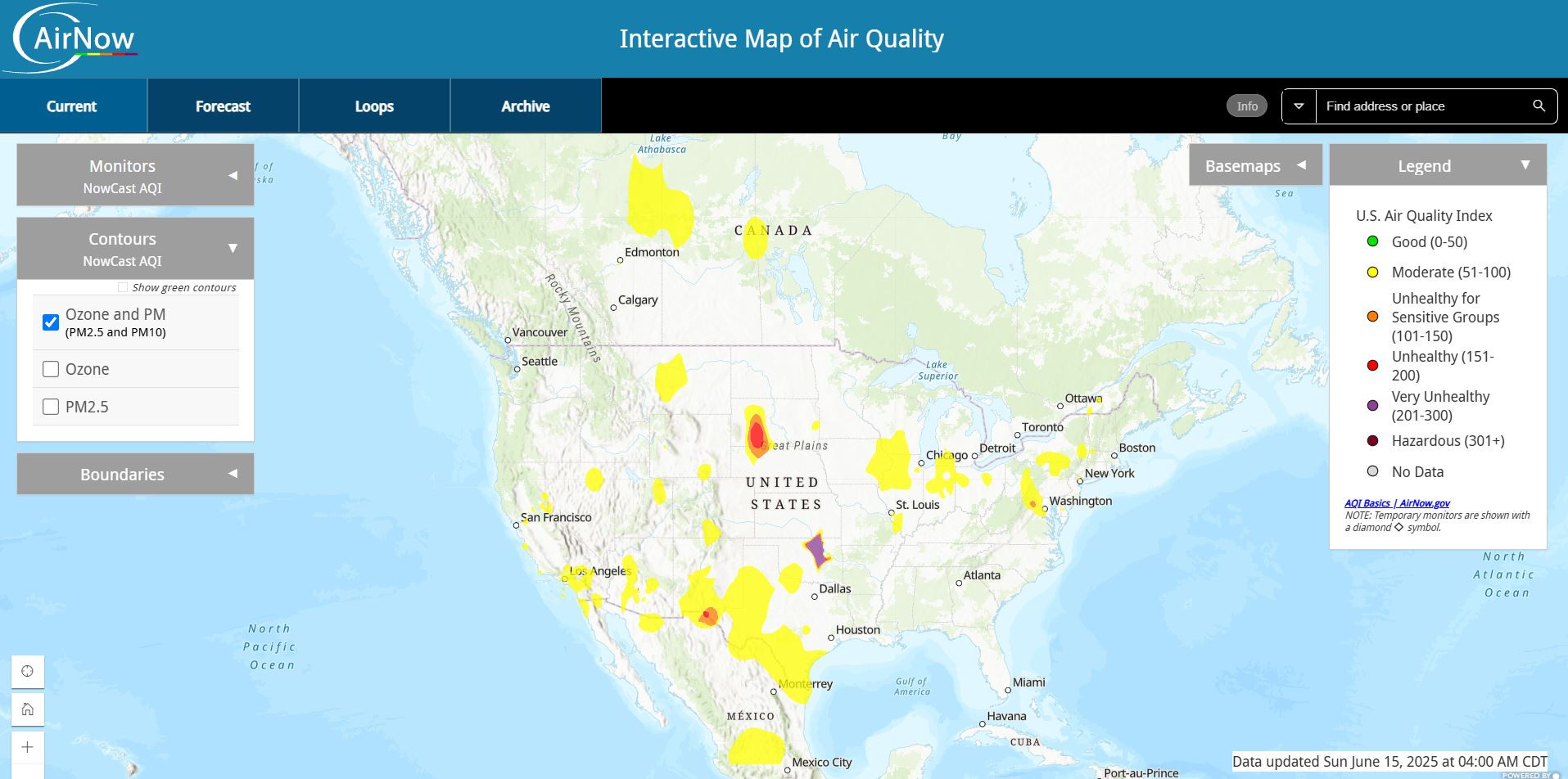
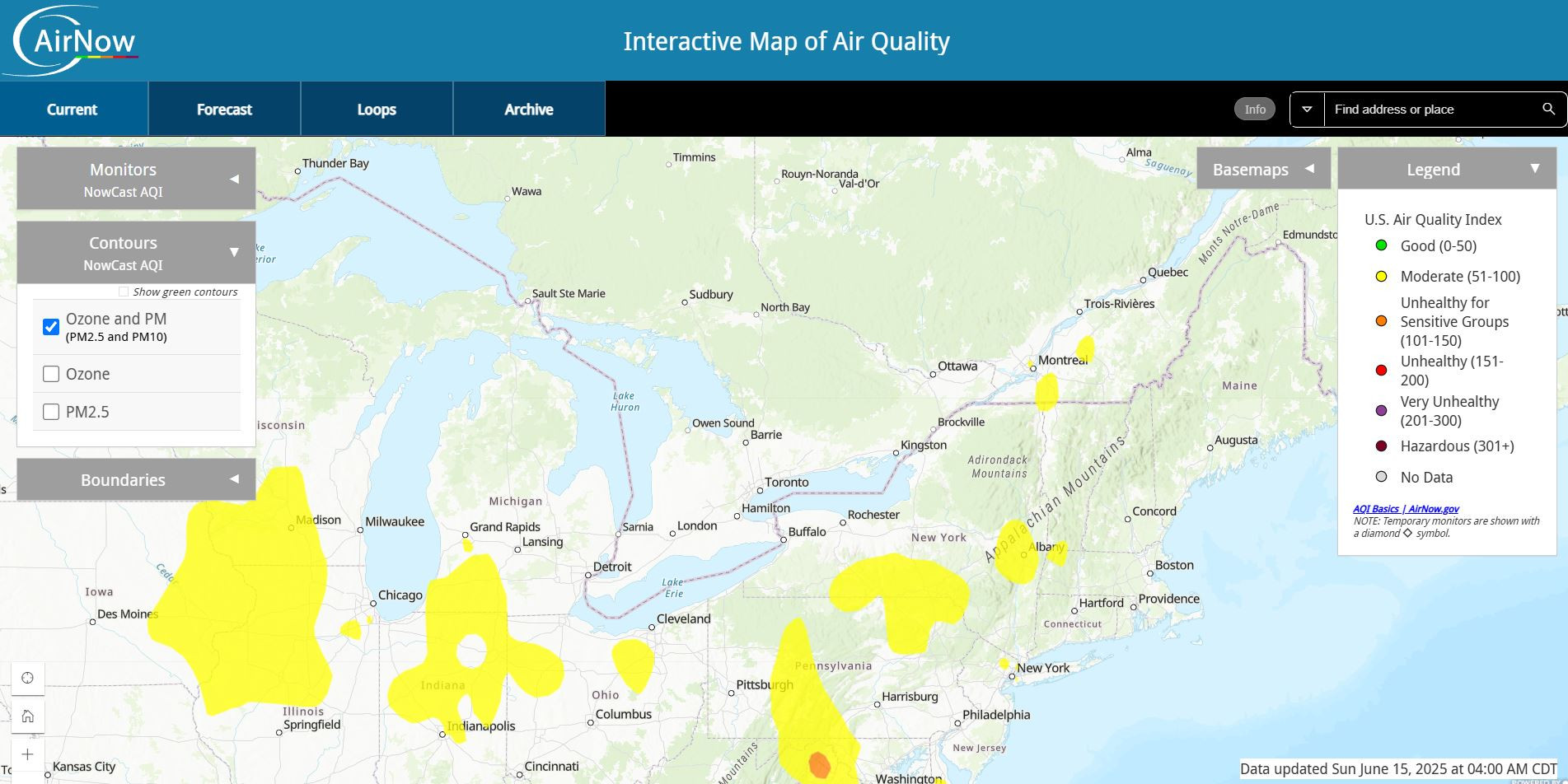
EPA has been publicly reporting current air quality to the public since the mid 1970’s to provide
individuals with information they can use help mitigate human exposure. The modern reporting
tool is the Air Quality Index (AQI), which EPA uses to communicate daily air quality (2). The
AQI uses color-coded categories and provides statements for each category that tell the public
about air quality, which groups of people may be affected, and steps to take to reduce exposure to
air pollution. It normalizes ambient concentrations of five pollutants (carbon monoxide, nitrogen
dioxide, ozone, particulate matter, and sulfur dioxide) to an index value from 0 to 500. The daily
AQI value is available the day after measurements are collected since a day’s worth of complete
data are needed for its calculation. Next-day forecasts of the AQI are also regularly made to allow
the public to make informed decisions about their activity and potential exposure. However, as
technology to measure short-term concentrations (1 hour or less) has improved in recent years,
concern about the health impacts of shorter-term exposures has also grown. This is especially true
during episodes of greatly varying air pollution concentrations, for example when forest fires are
burning. Continued in WhitePaper.pdf