vaxvms
Look for a UPS with ABM (Active Battery Management) or something comparable technology, and try to avoid UPSs that rely on trickle charging,
What ABM does is that once the battery is fully charged, it turns charging completely OFF, but keeps checking the voltage of the battery, and once it drops below a certain threshold, it starts charging again. This is nothing new and as far as I can see even relatively recent Harbor Freight (!!) maintenance chargers employ this metod, even though constant trickle charging of a flooded cell automotive battery should should not be much of an issue because one can just add water periodically. In addition, automotive batteries in cars normally have some parasitic load on them all time (I measured one of my car and got around 28 mA). I also know for a fact the older HF chargers did do trickle charging by setting the voltage to some level and keeping that ON all the time.
Here’s a pdf on ABM from EATON: https://www.eaton.com/content/dam/eaton/products/backup-power-ups-surge-it-power-distribution/backup-power-ups/eaton-abm-technology-ap162003en.pdf
The charger is turned on again when required due to use or natural decay during extended periods of non-use. This means that UPSs with ABM technology are more energy efficient, only being charged on an average of a few minutes a day, compared to competitors’ UPSs that are charged 24 hours a day every day. Since UPS batteries use the same technology as car batteries, a simple correlation can be observed. It is easy to see that car batteries, which are charged on when the car is running, typically last two to three times longer than traditional UPS batteries due to the “rest” state that occurs when the car is not running. If car batteries were constantly trickle-charged, they too would last less than two year
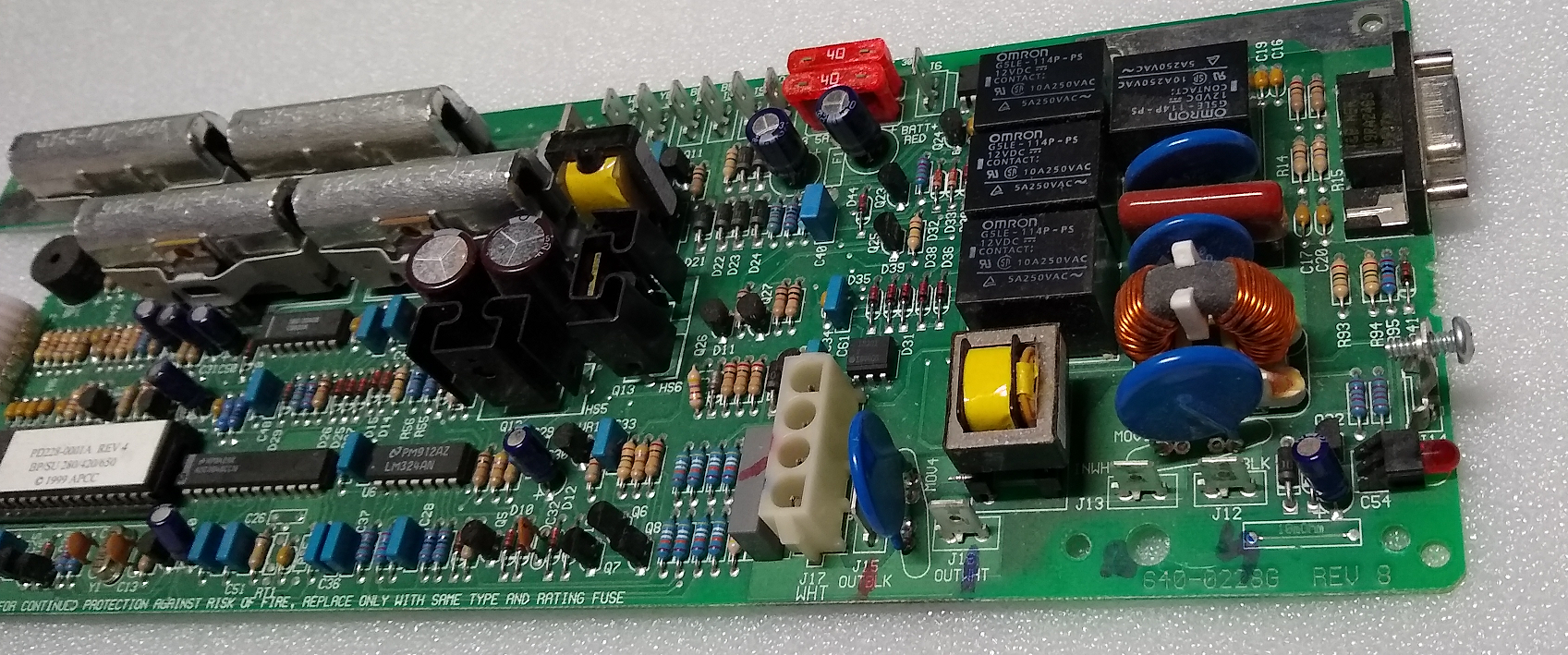
As I mentioned older (read: late 90s early 2k in my case) APC UPS use trickle charging and will cook the batteries very quickly. I have 2 of those APC UPSs, plus 2 others of early 2k vintage with similar charging strategy.
I do not know what recent UPSs, including APCs do – though I expect that they have a better battery management than before. I shall note that I plan to mod my APC UPSs to lower their float voltage – I expect that with a better float level setting I could get at least a 2x increase in battery life.
My assumption is that if the trickle charge current is just a bit higher (no more than 2x - 4x) of the self discharge current of a given battery than the ‘cooking’ effect will be practically zero, and the battery’s lifetime should be comparable to an ABM managed battery. However, determining and setting that current is a bit (?!) tricky for a number of reasons, so I’m not at all surprised that Eaton and maintenance charger makers (well, whoever makes the chargers for HF) chose a different approach.